Secrets of Greek cuisine with Borjomi
4 min read
Secrets of Greek cuisine with Borjomi
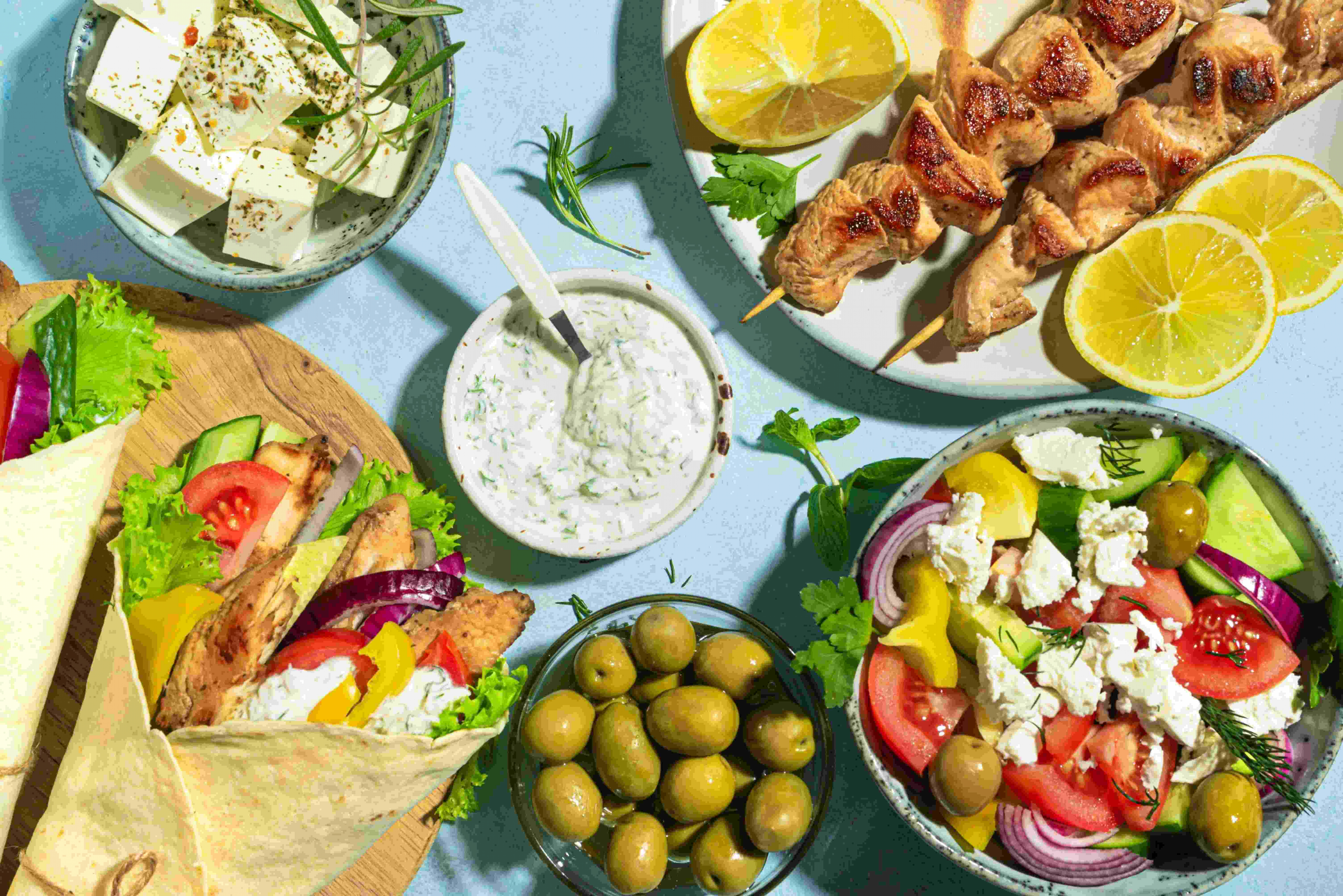
In my work as a chef, I’m always looking for ways to reinterpret familiar ingredients and showcase them from an unexpected angle. Over time, I’ve come to view water not as a neutral base, but as an active element capable of altering a dish’s texture, juiciness, and flavor. That’s exactly how my experiments with Borjomi in Greek cuisine began.
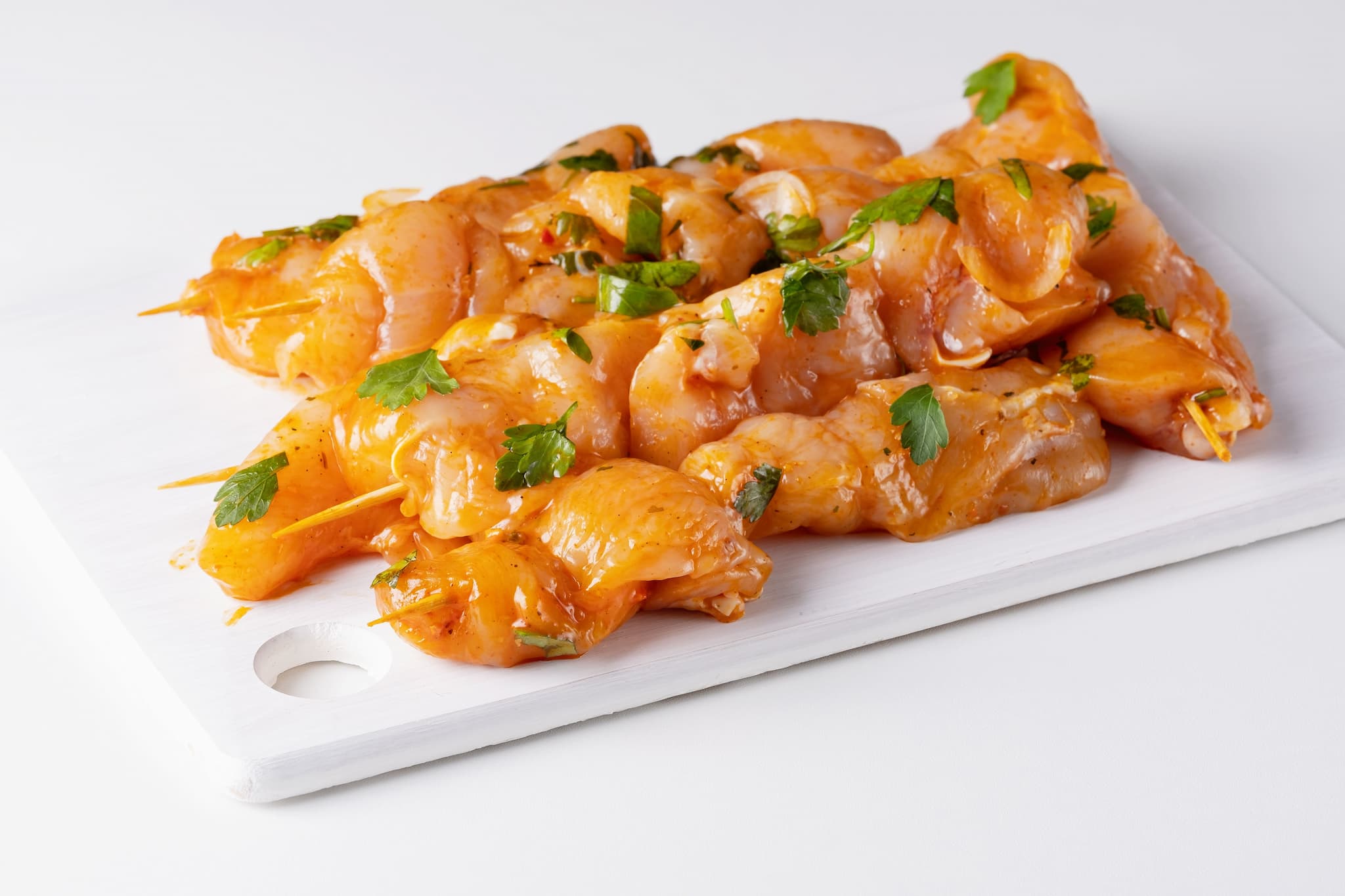
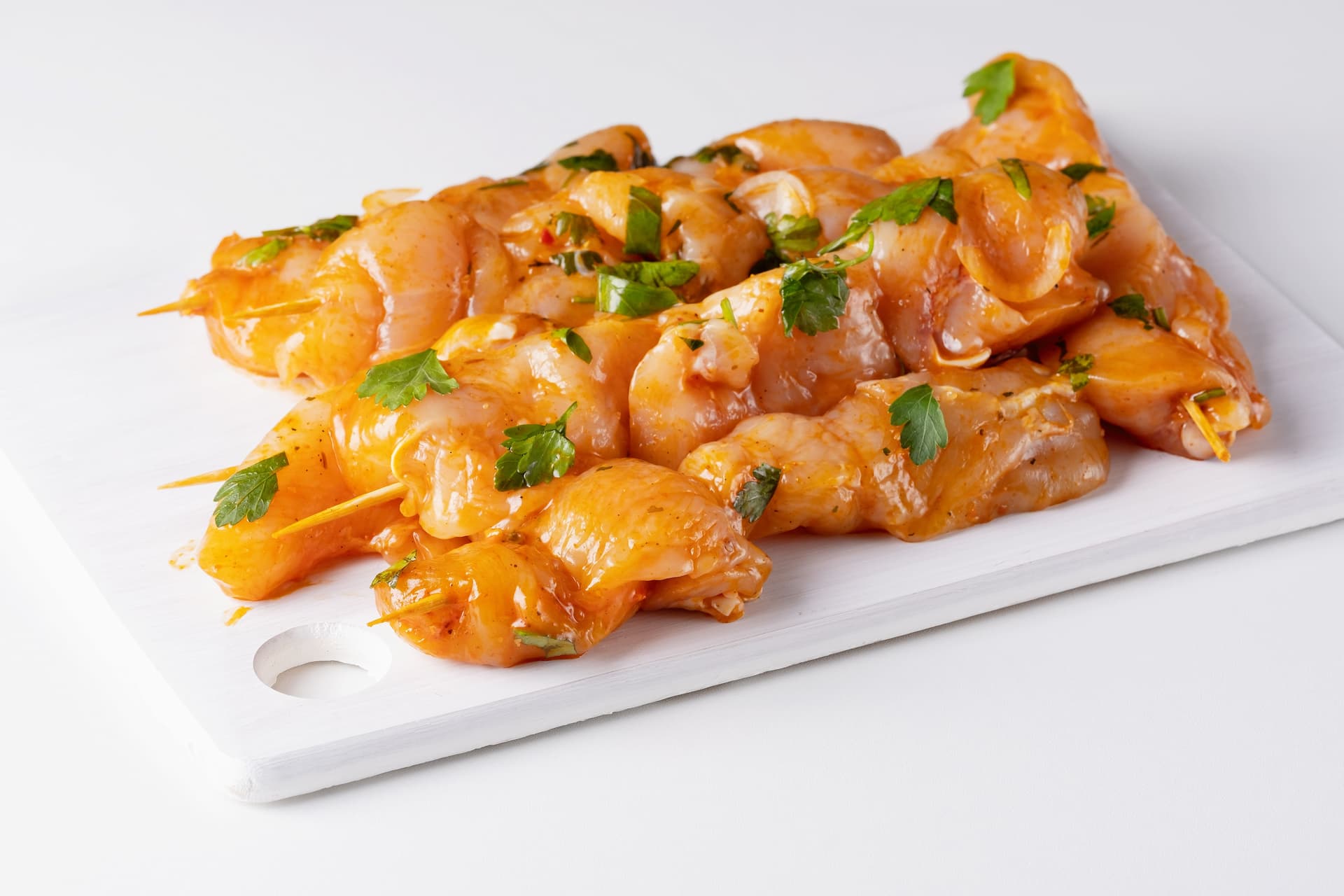
One technique is using Borjomi in the marinade for souvlaki. The mineral composition of the water gently affects the meat fibers, making them more tender and juicy without harsh acidity. The meat better absorbs the flavors of oregano, garlic, lemon, and olive oil, while preserving the natural taste of the meat.
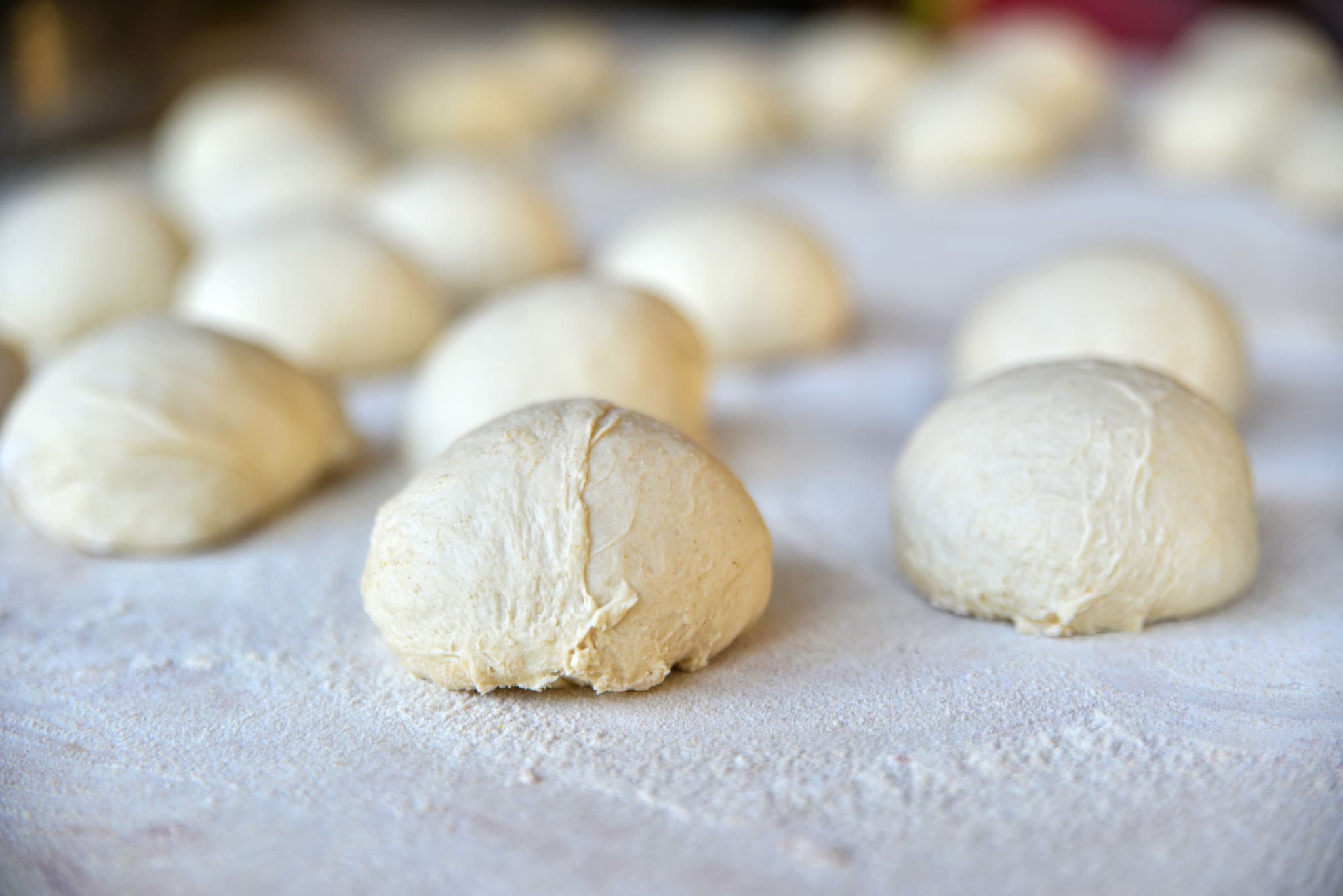
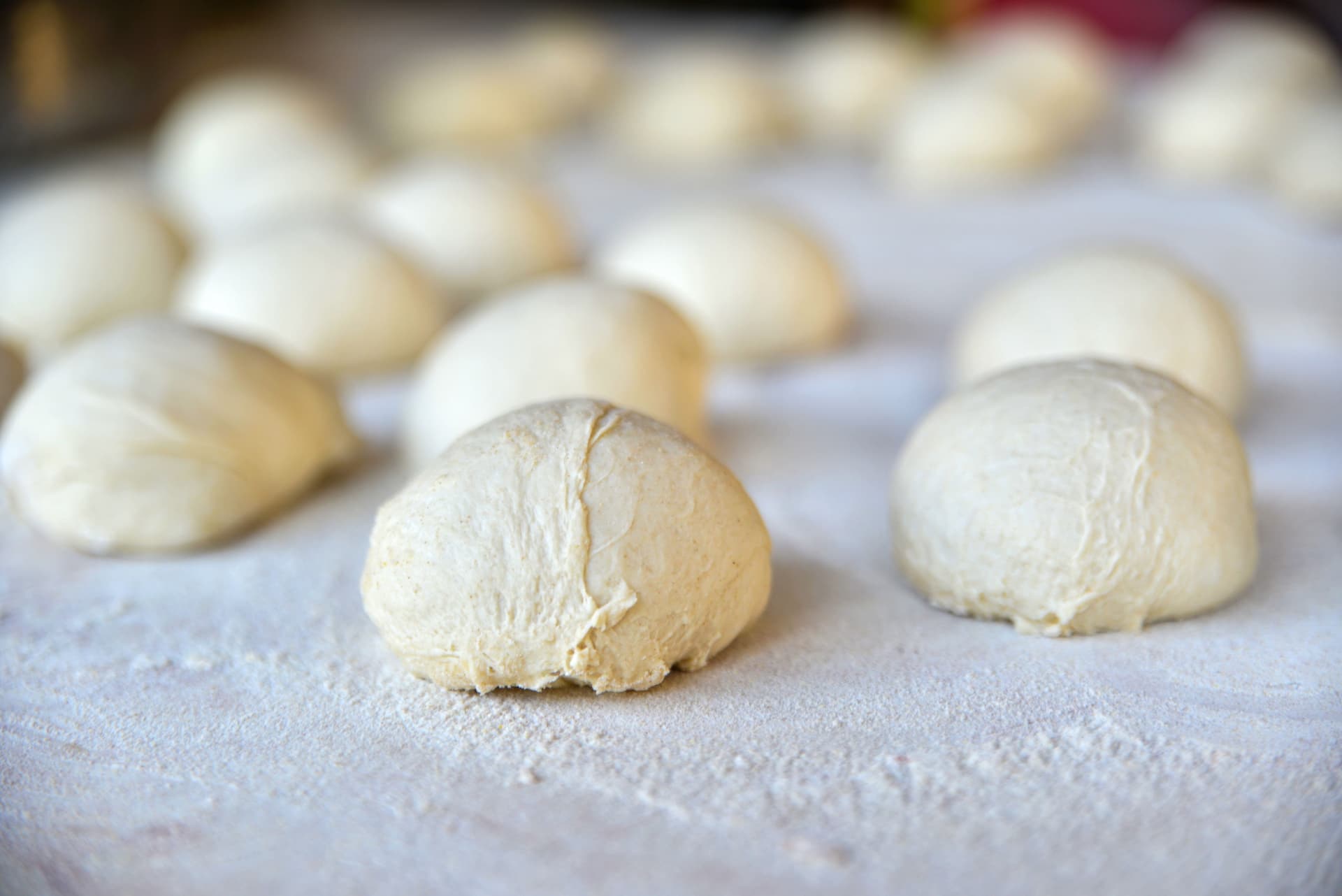
Another use is in pita dough. If you replace some of the liquid with well-chilled Borjomi, the dough becomes lighter and airier, and the pitas rise better when baked, remaining soft on the inside and golden brown on the outside. The natural carbonation helps create the right texture without additional leavening agents.
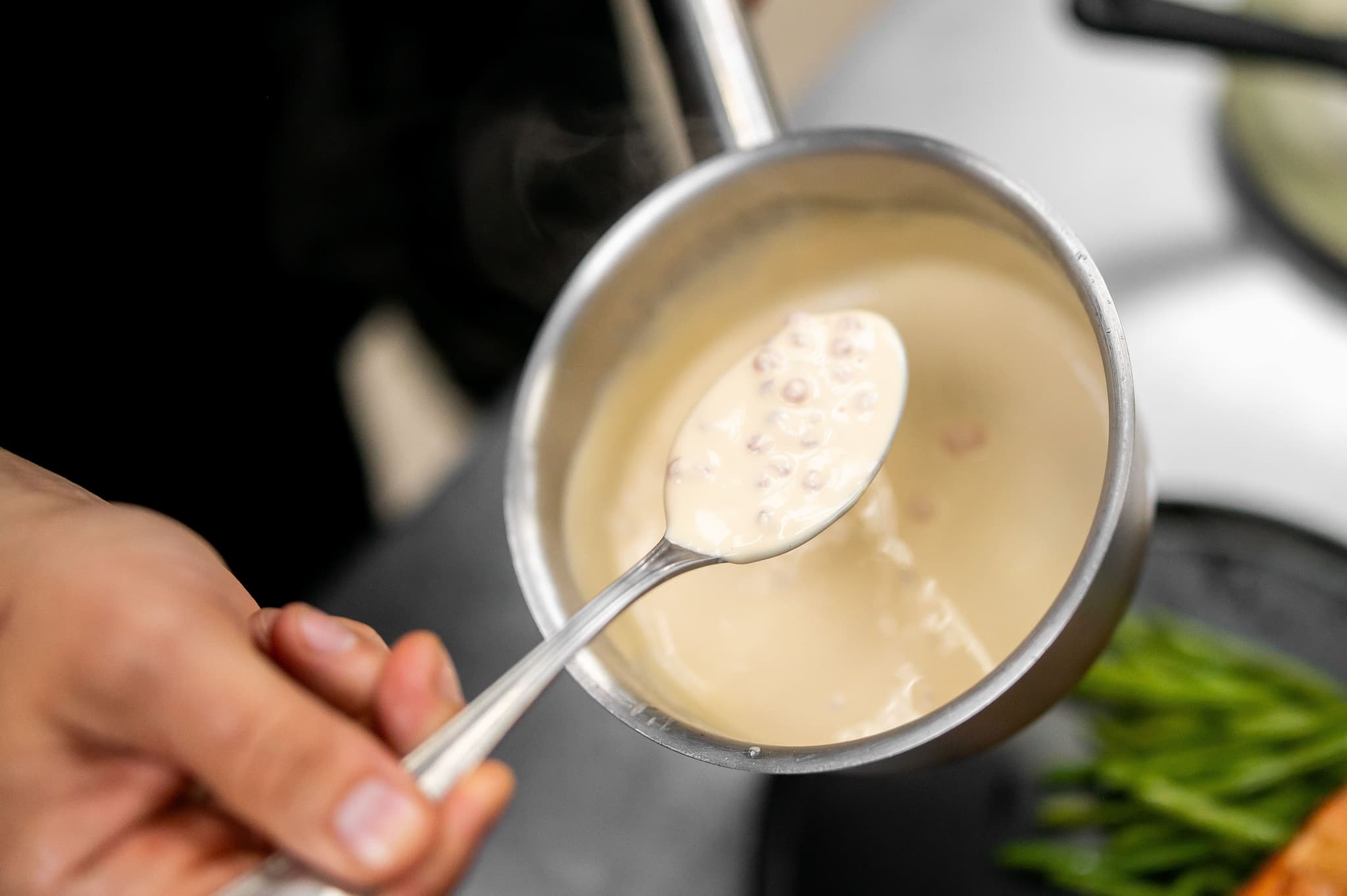
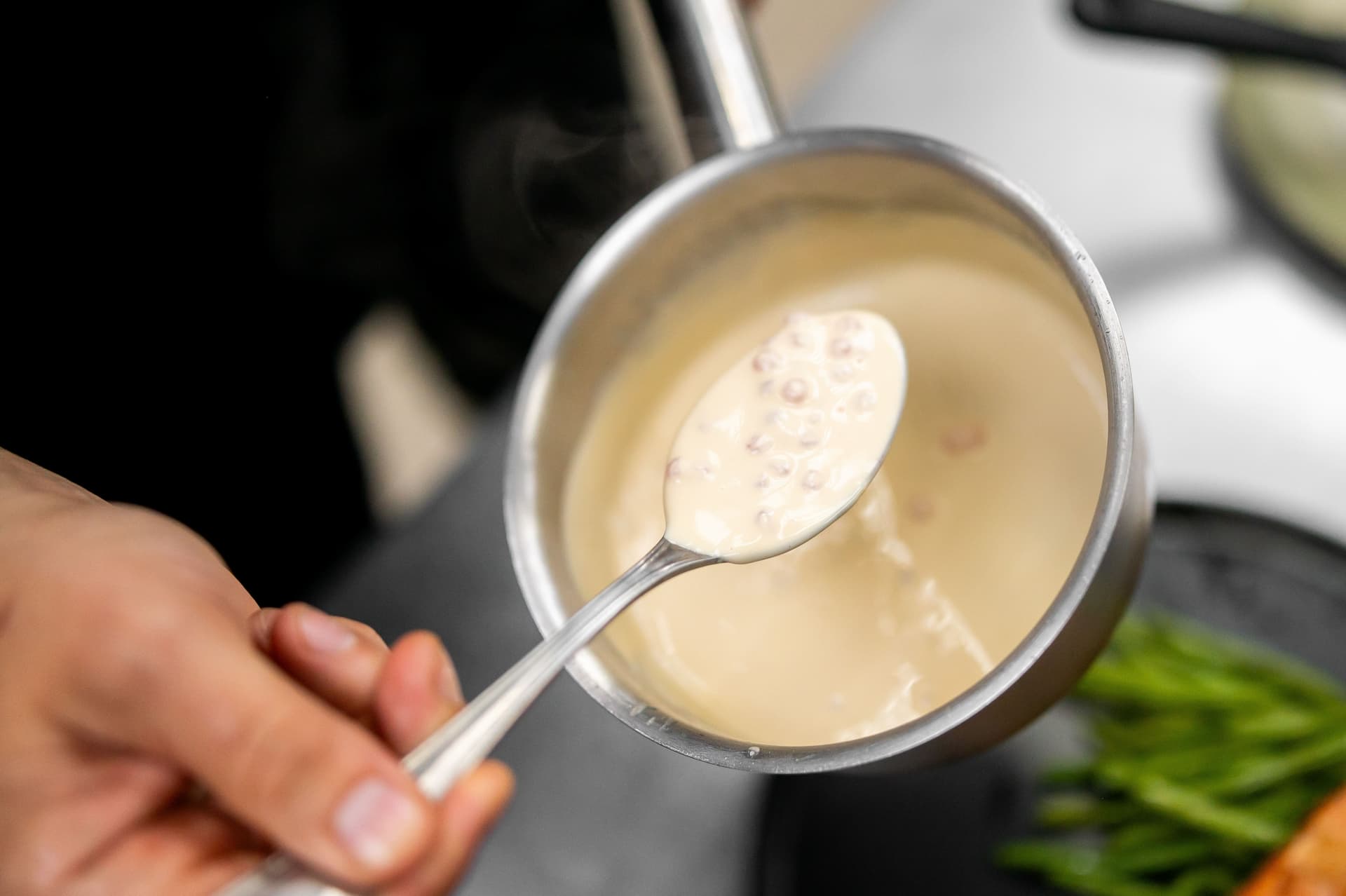
I also use Borjomi in light sauces and meze. A small amount of mineral water adds freshness, makes the texture more delicate, and brings out the flavors of herbs, yogurt, and vegetables. This works especially well in dishes featuring fish, seafood, and grilled vegetables.
For me, Borjomi isn’t just water—it’s a tool that allows me to finely control flavor and texture, opening up new possibilities even in the most traditional Greek dishes.
author:
Ruslan Shamsudinov
Comment