How to make the perfect dough for khinkali by using the mineral water.
1 min read
How to make the perfect dough for khinkali by using the mineral water.
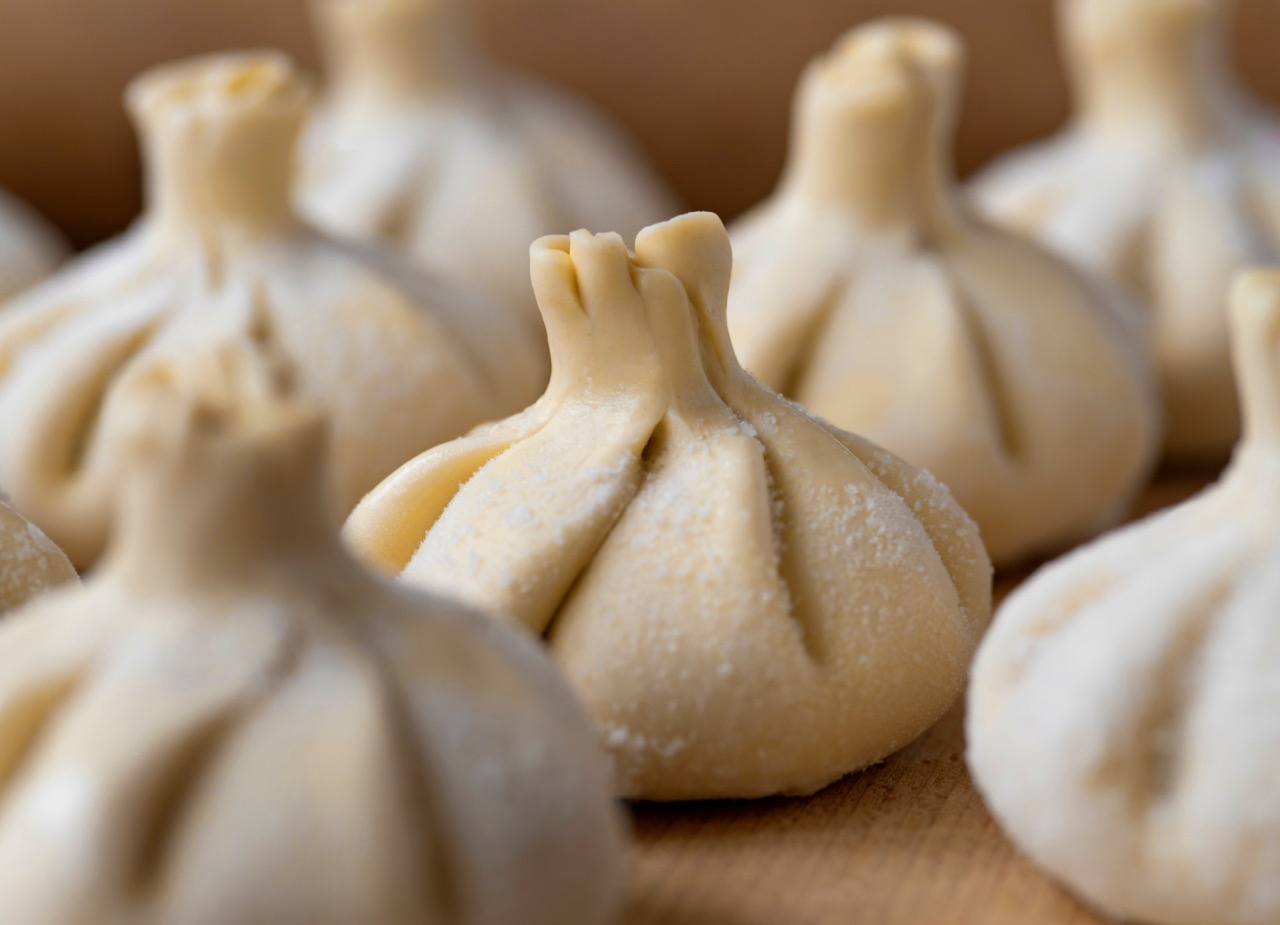
When working with traditional dishes—especially to something as special as khinkali—every detail matters, from selecting of the meat to perfecting the broth, and particularly the dough.
The dough must be thin and elastic, yet strong enough to hold the juicy filling without breaking during cooking. At this stage, I use a technique that ensures a stable and high-quality result: partially replacing the water in the dough with chilled mineral water Borjomi.
Borjomi is not just a liquid. Its natural mineral content and light carbonation noticeably affect to the dough’s structure. The alkaline environment helps the gluten develop more evenly, while the carbonation aerates the dough, making it more elastic and silky. Rolling it out becomes easier, it holds together during shaping, and it retains its form in boiling water.
When working with traditional dishes—especially to something as special as khinkali—every detail matters, from selecting of the meat to perfecting the broth, and particularly the dough.
The dough must be thin and elastic, yet strong enough to hold the juicy filling without breaking during cooking. At this stage, I use a technique that ensures a stable and high-quality result: partially replacing the water in the dough with chilled mineral water Borjomi.
Borjomi is not just a liquid. Its natural mineral content and light carbonation noticeably affect to the dough’s structure. The alkaline environment helps the gluten develop more evenly, while the carbonation aerates the dough, making it more elastic and silky. Rolling it out becomes easier, it holds together during shaping, and it retains its form in boiling water.
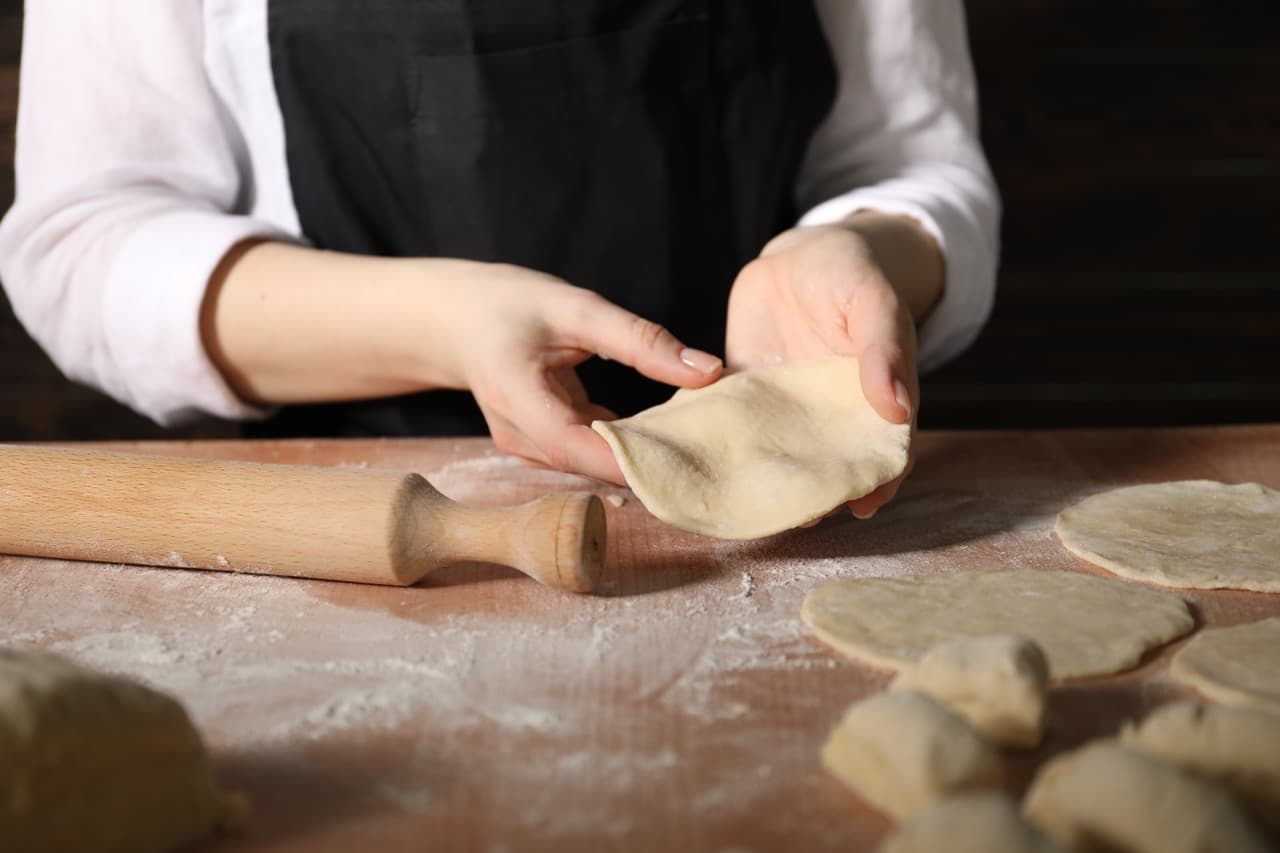
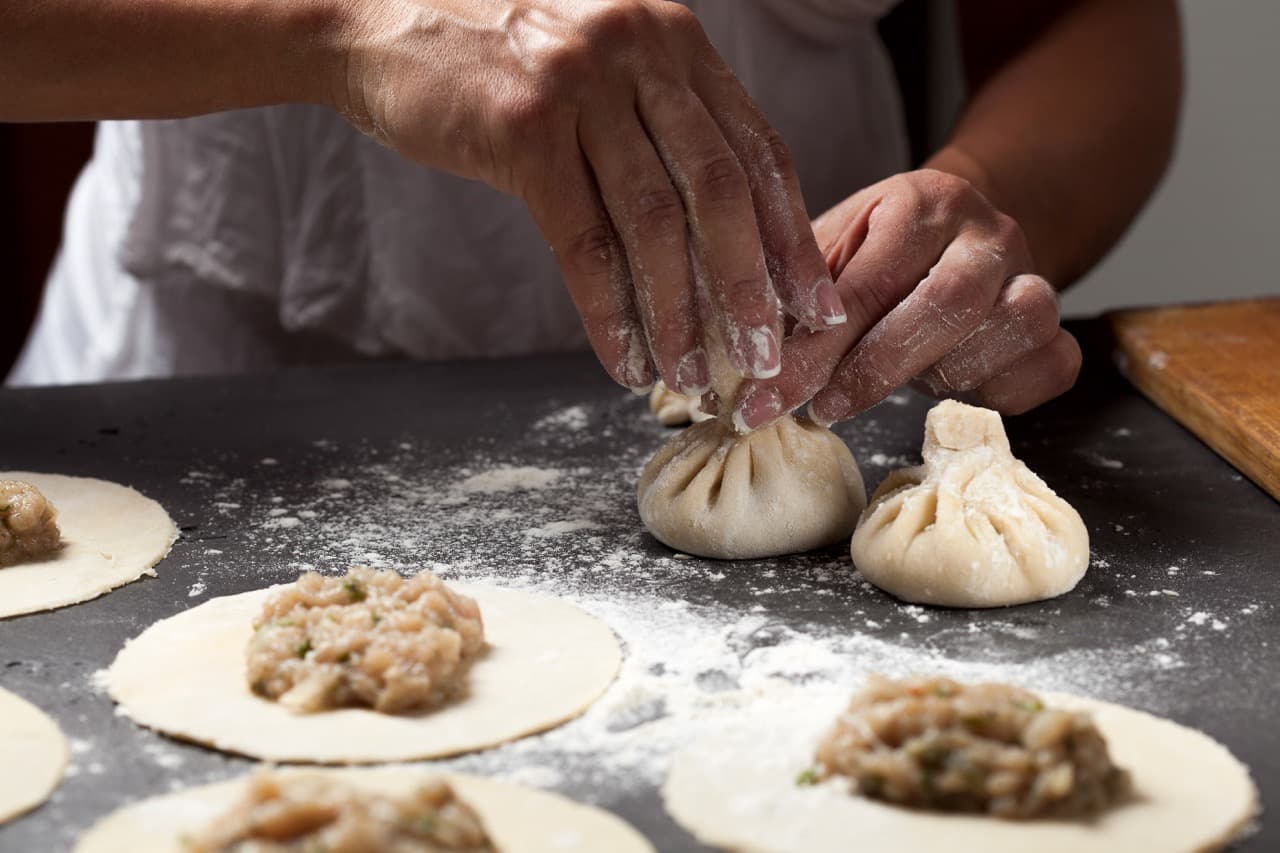
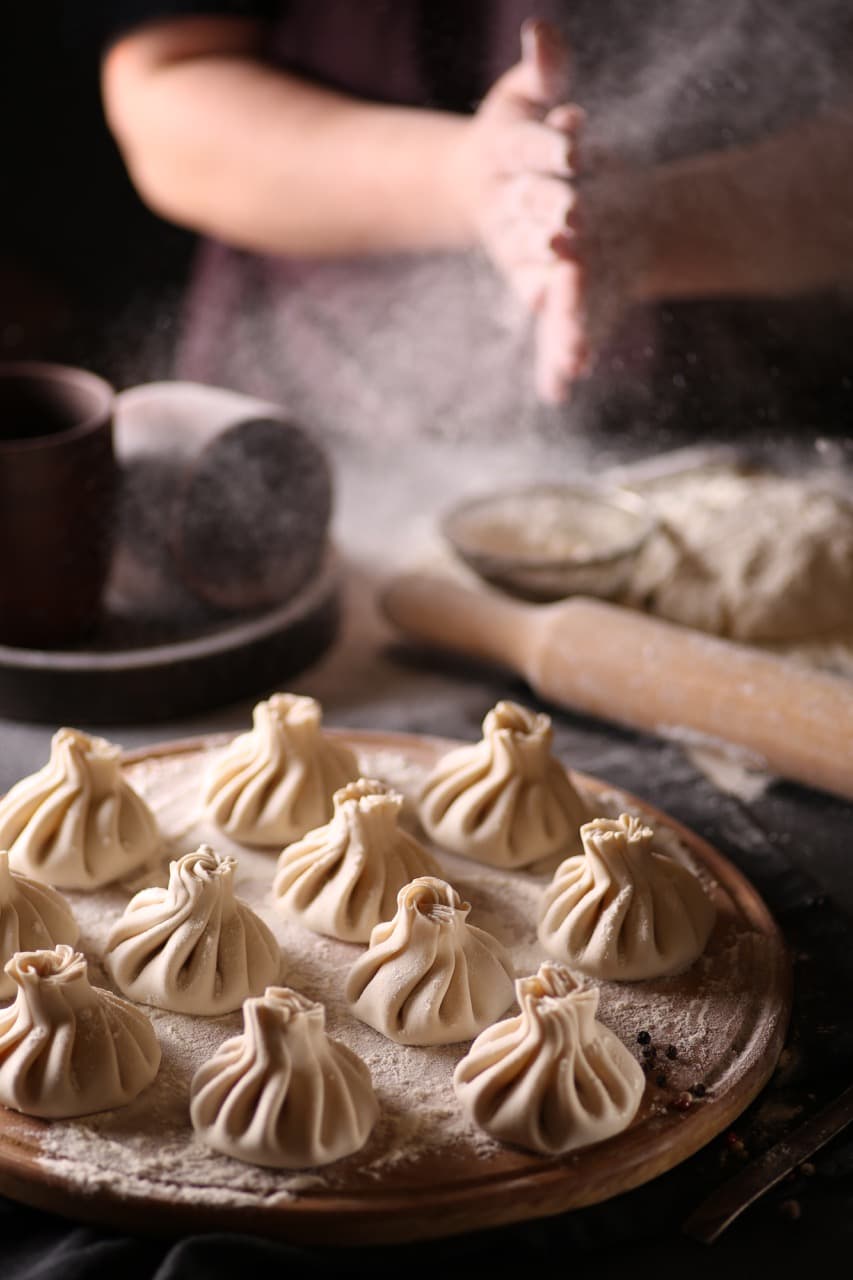
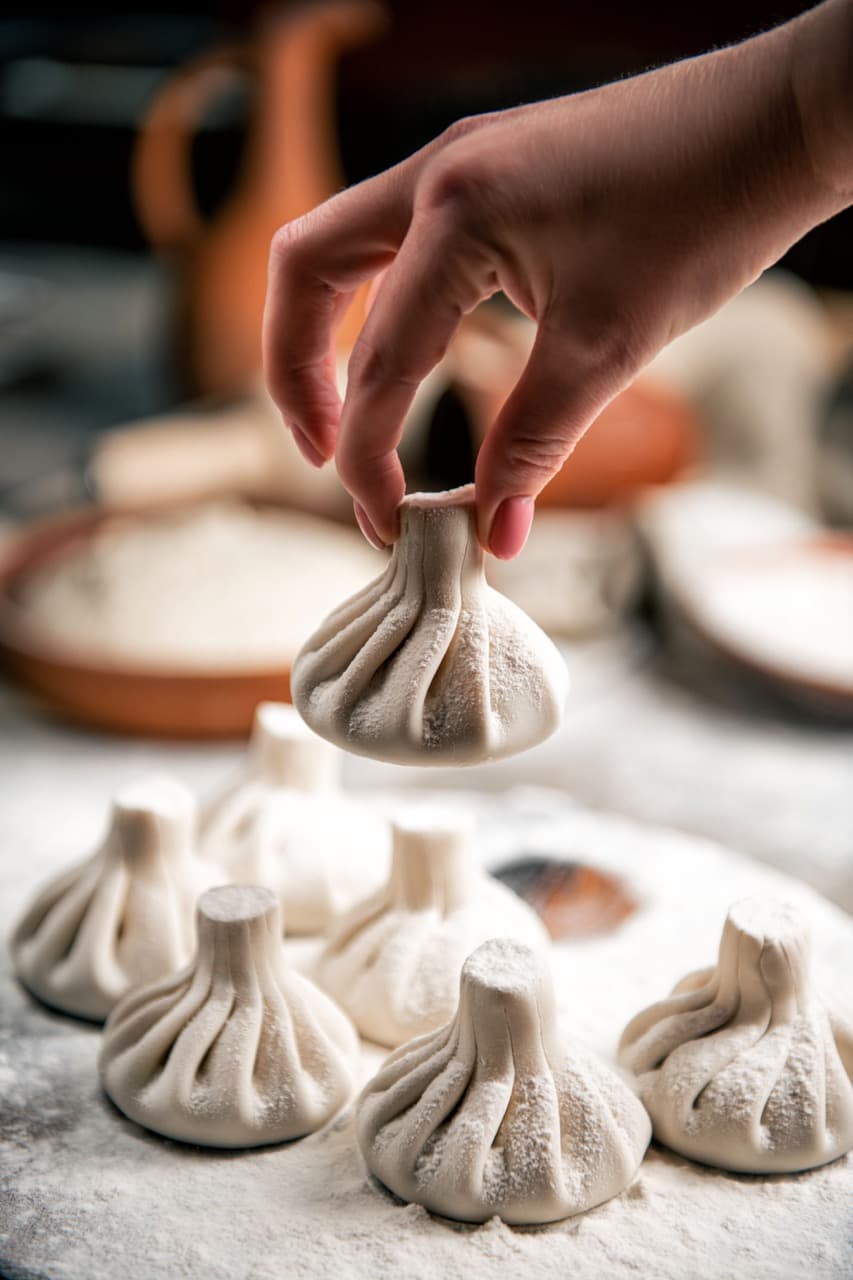
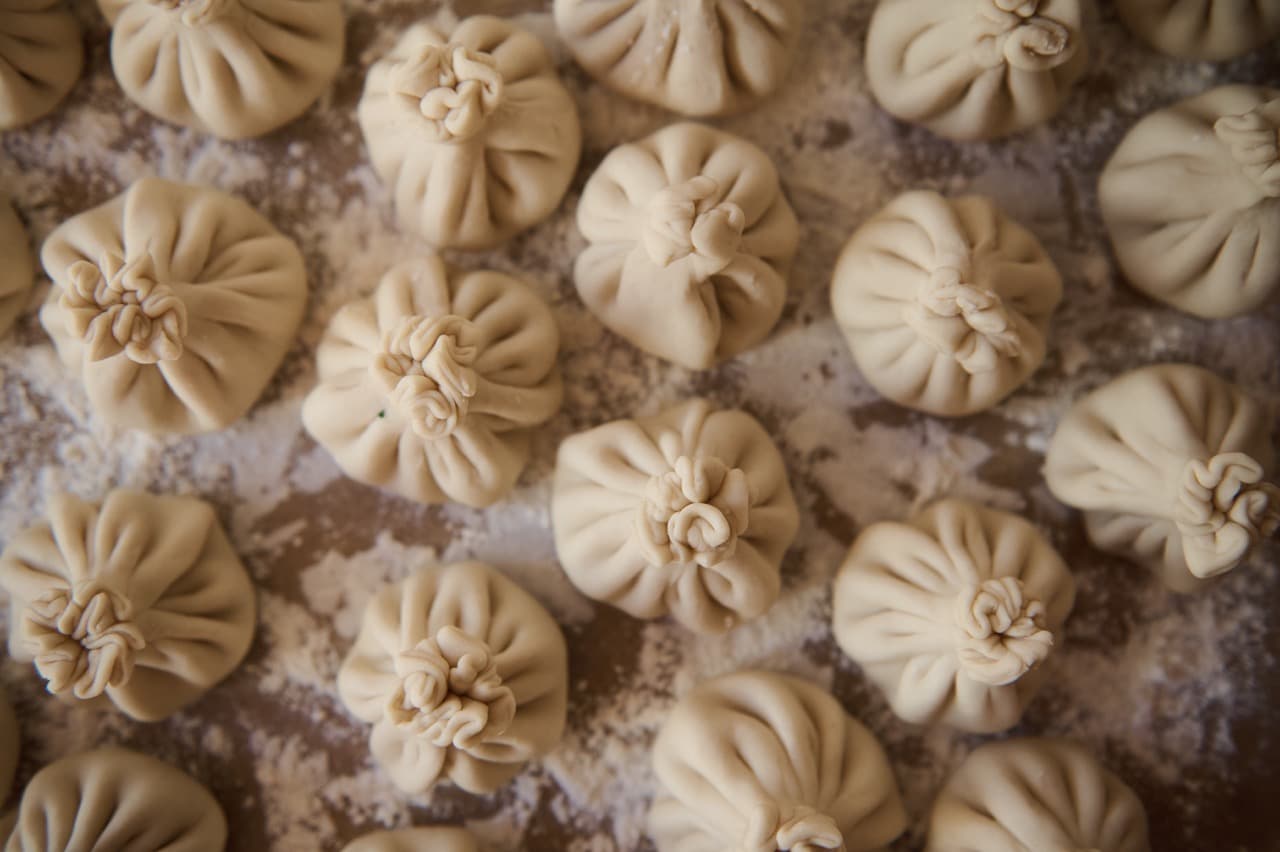
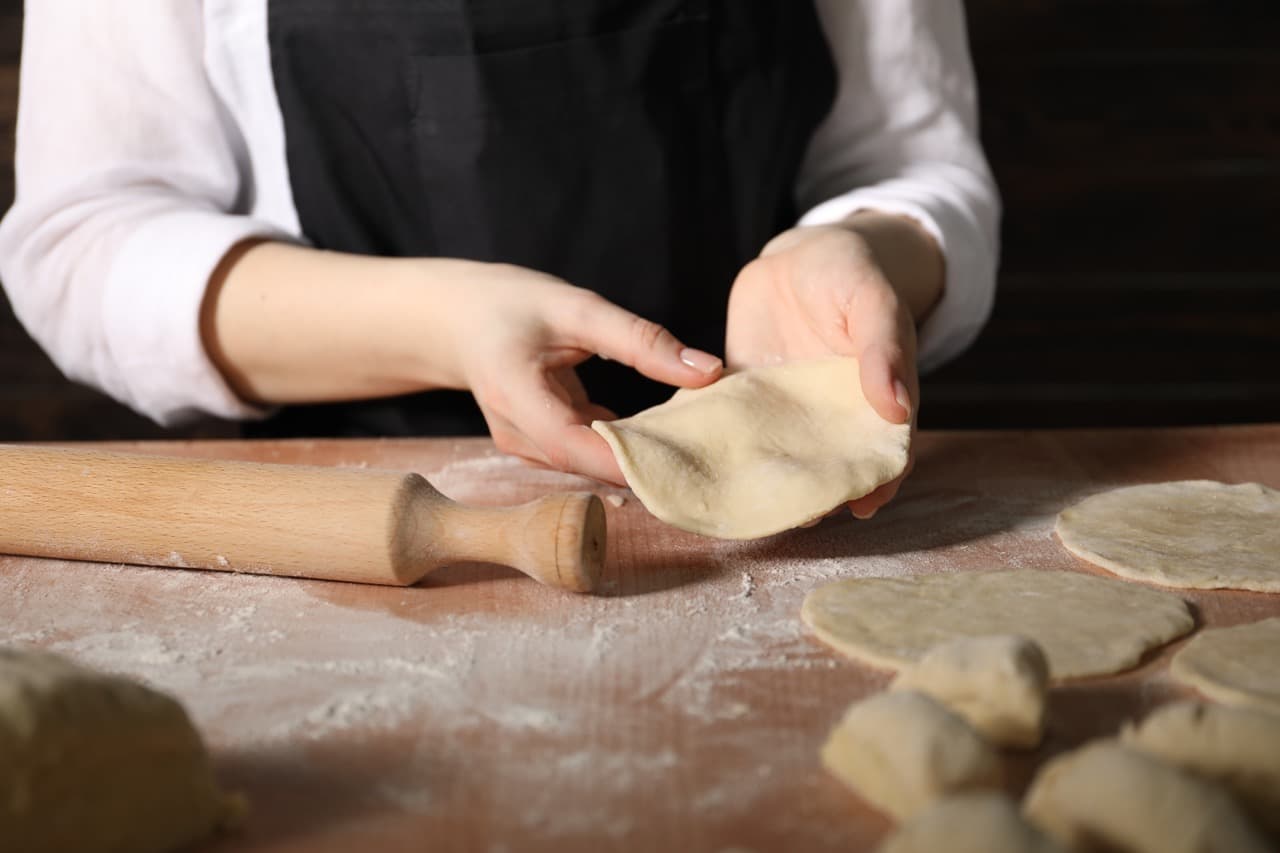
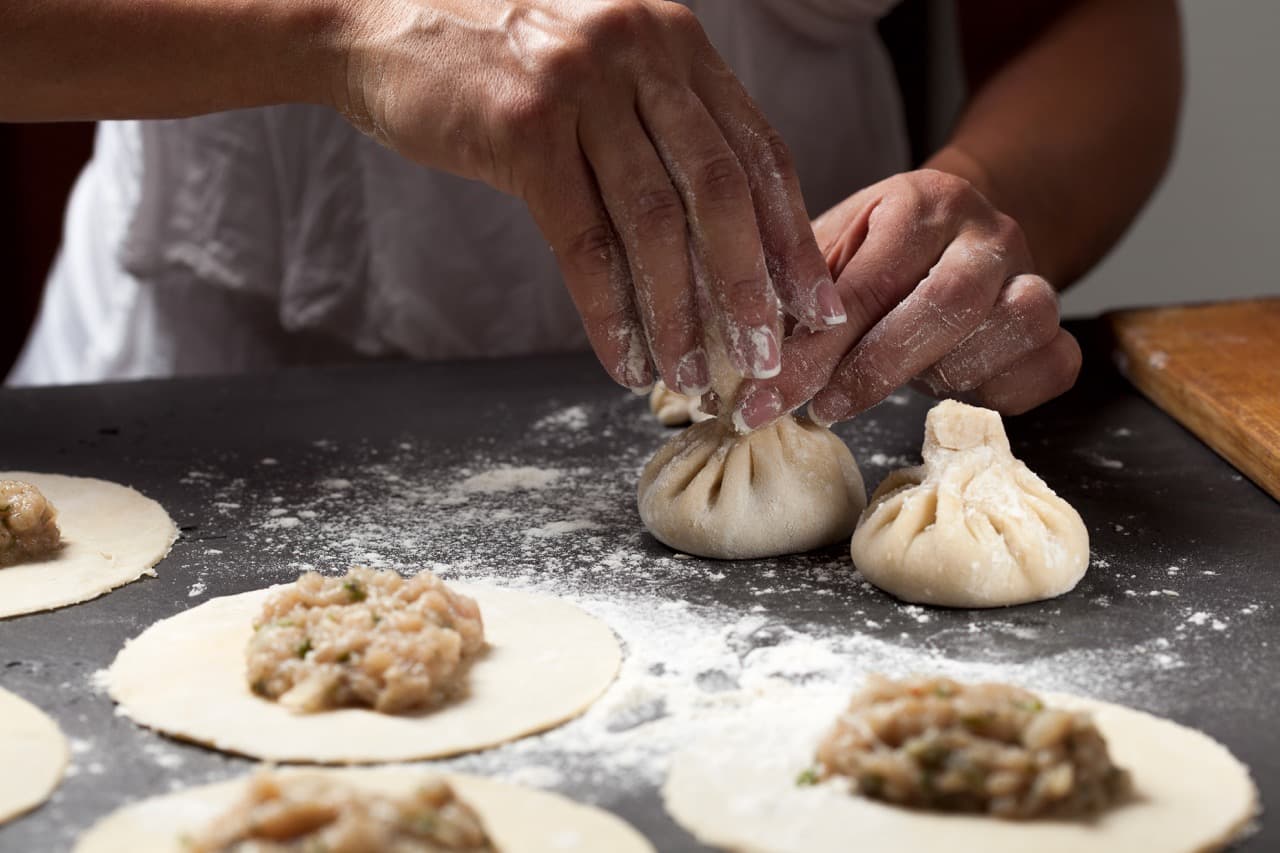
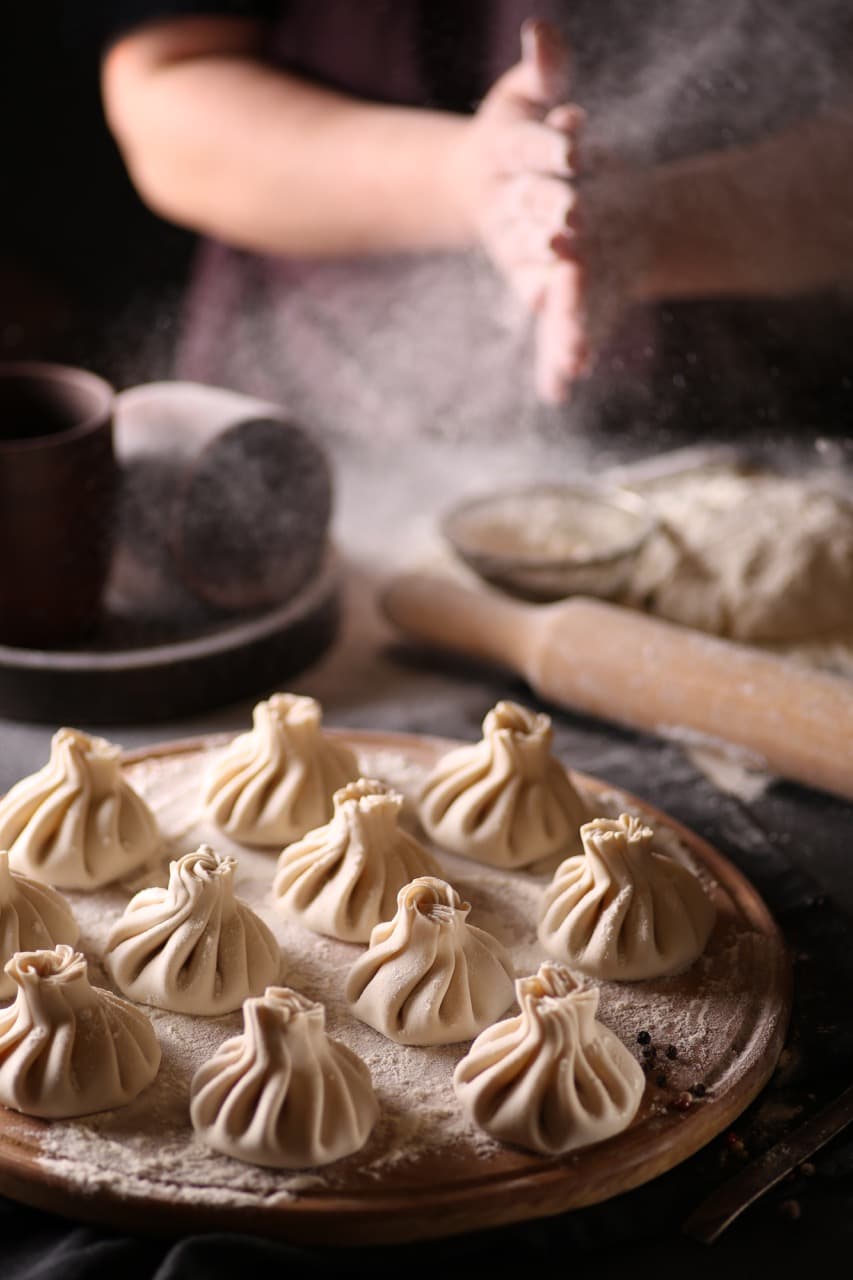
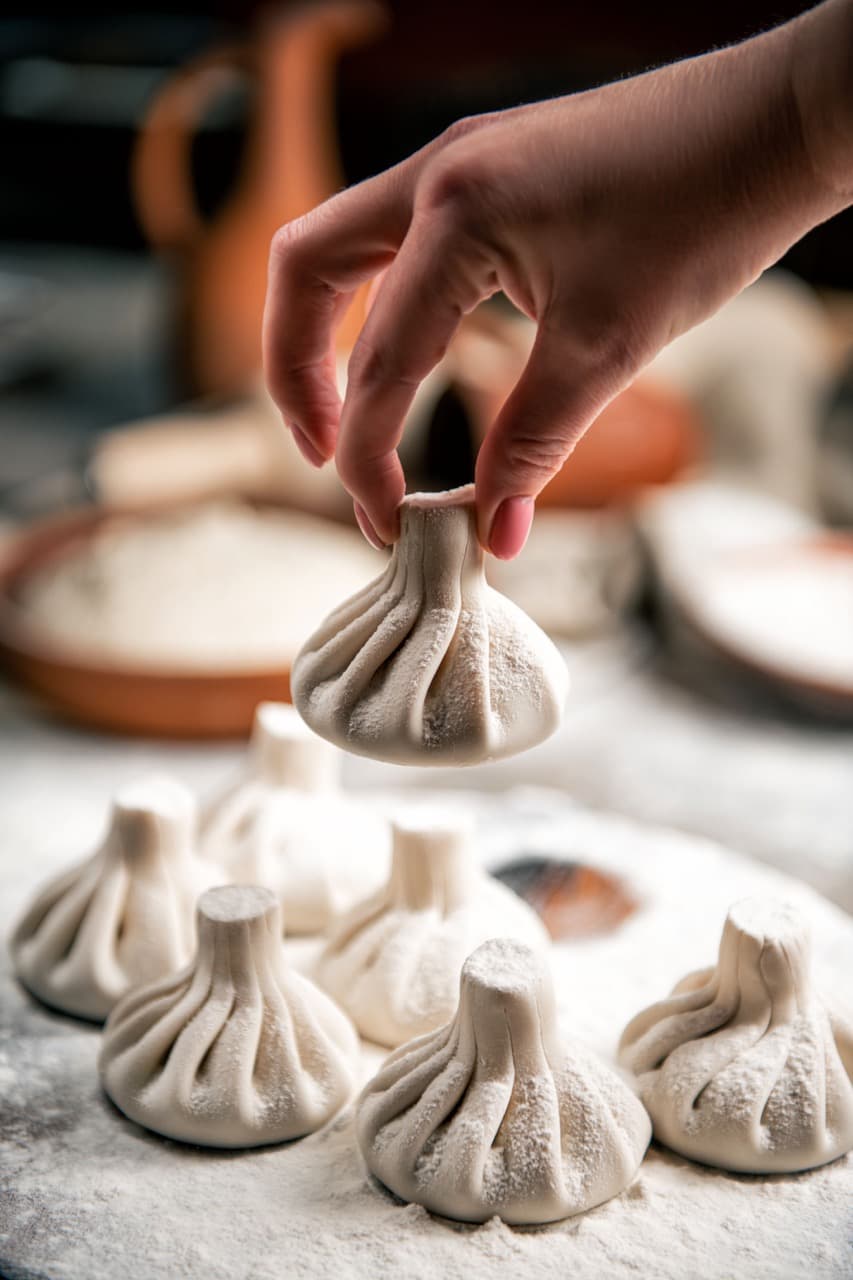
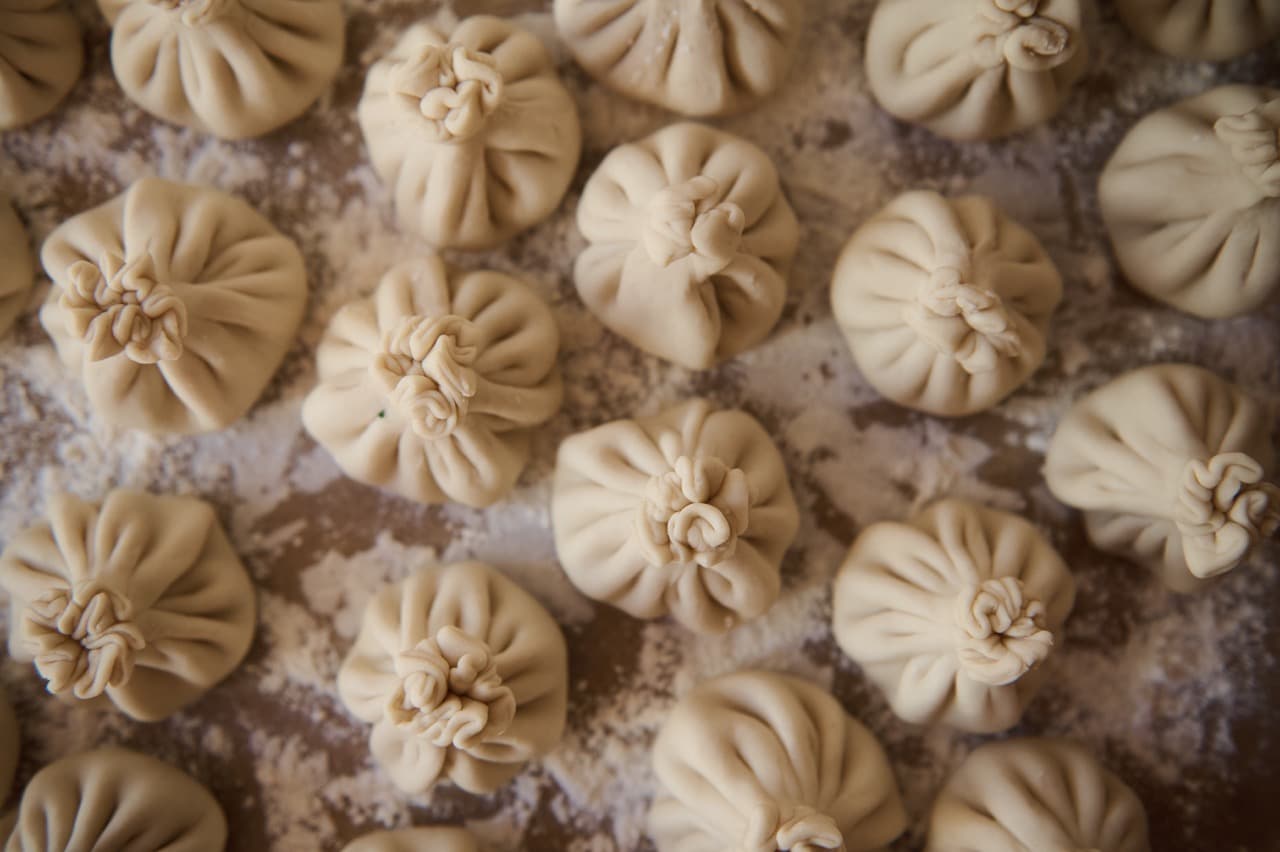
After preparation, dough made with Borjomi remains light, never heavy or “rubbery.” Instead, it stays soft, elastic, yet firm.
This is particularly important for khinkali with juicy fillings: the dough does not absorb the broth but gently holds it, creating the “broth inside” effect that makes this dish so prized.
This method can also be applied to other types of dough where moisture and elasticity are important, such as for manti or pelmeni. But with khinkali, Borjomi truly helps preserve the essence of the dish—the clean flavor of the meat, the perfect texture of the dough, and the juiciness of the filling.
It’s a clear example of how a technological approach can enrich tradition without compromising its essence.
author:
Oibek Nurmatov
Comment