How to make ravioli dough as elastic and silky as possible by using mineral water
3 min read
How to make ravioli dough as elastic and silky as possible by using mineral water

In my work as a chef, I have always valued not only the harmony of flavors but also the importance of texture—something especially evident when working with pasta.
Ravioli dough requires a high level of precision: it must be thin enough not to overshadow the delicate filling, yet strong enough to withstand cooking without tearing.
In my search for the ideal balance, I discovered an unconventional but highly effective solution—using chilled mineral water, such as Borjomi, instead of regular water for kneading the dough.
This approach produced unexpected and very positive results.
In my work as a chef, I have always valued not only the harmony of flavors but also the importance of texture—something especially evident when working with pasta.
Ravioli dough requires a high level of precision: it must be thin enough not to overshadow the delicate filling, yet strong enough to withstand cooking without tearing.
In my search for the ideal balance, I discovered an unconventional but highly effective solution—using chilled mineral water, such as Borjomi, instead of regular water for kneading the dough.
This approach produced unexpected and very positive results.
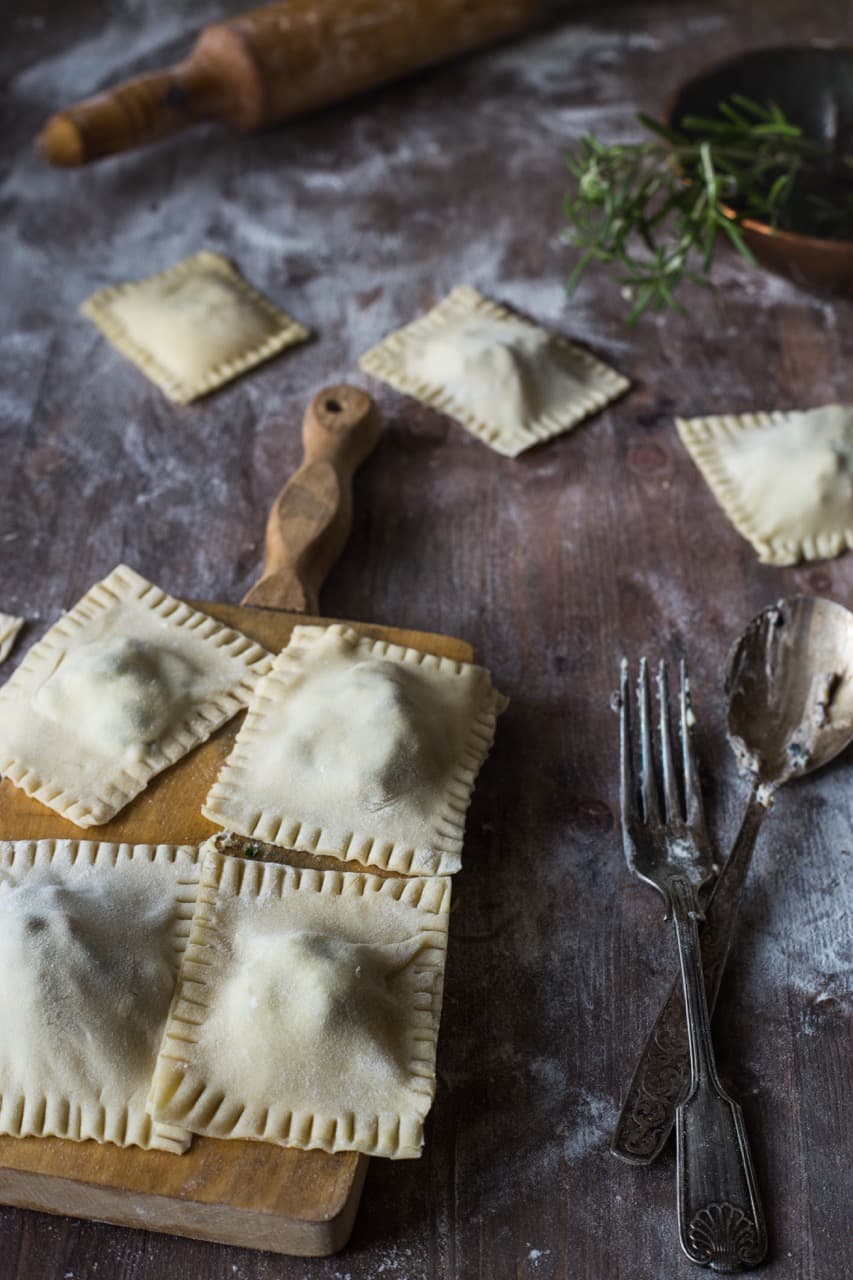

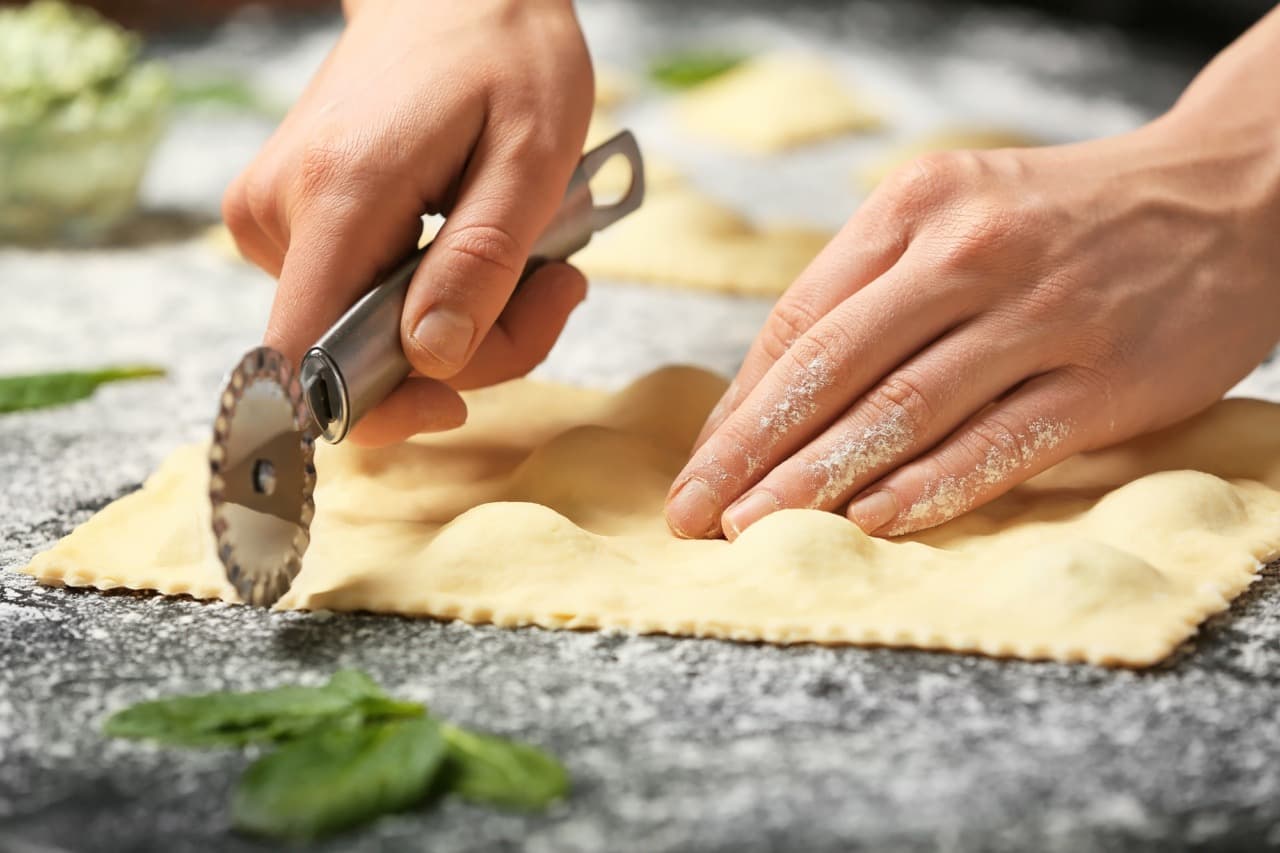

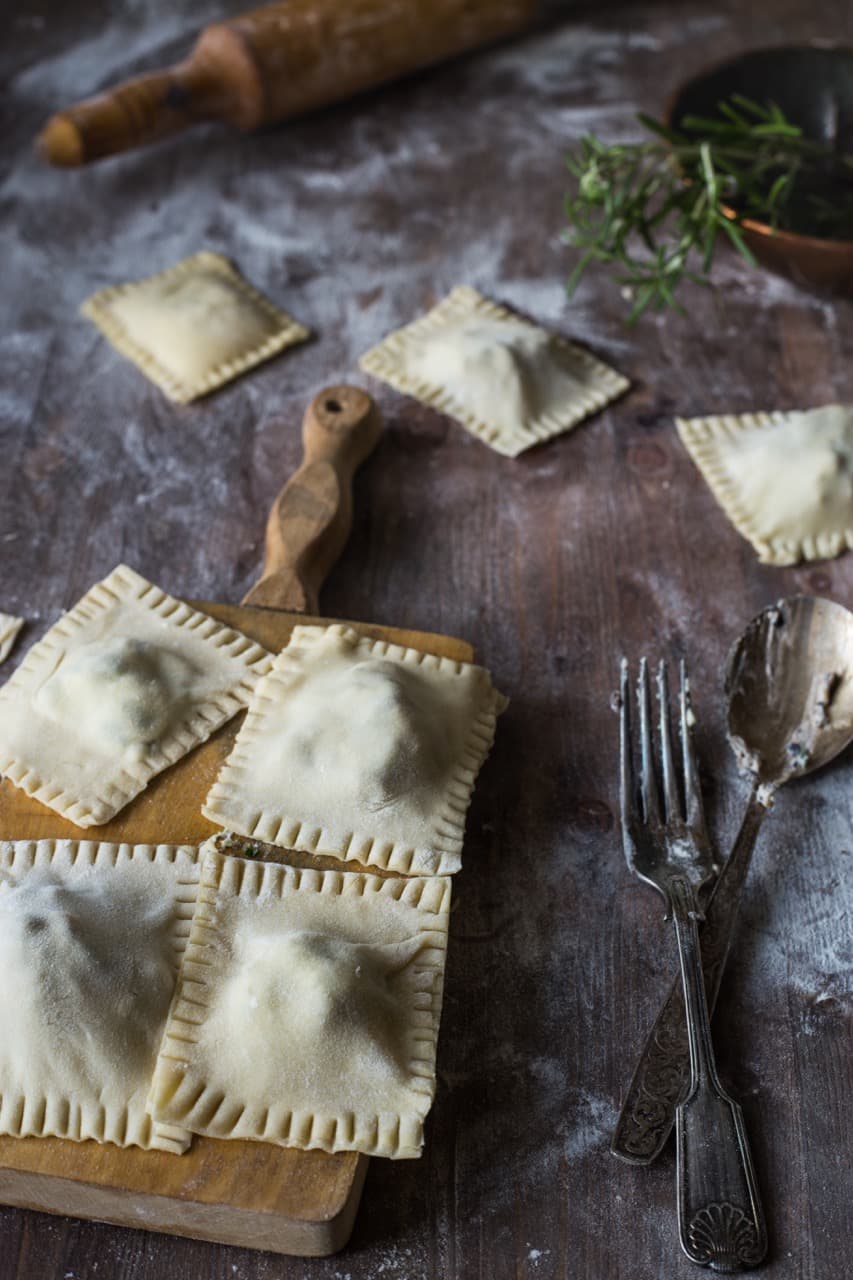
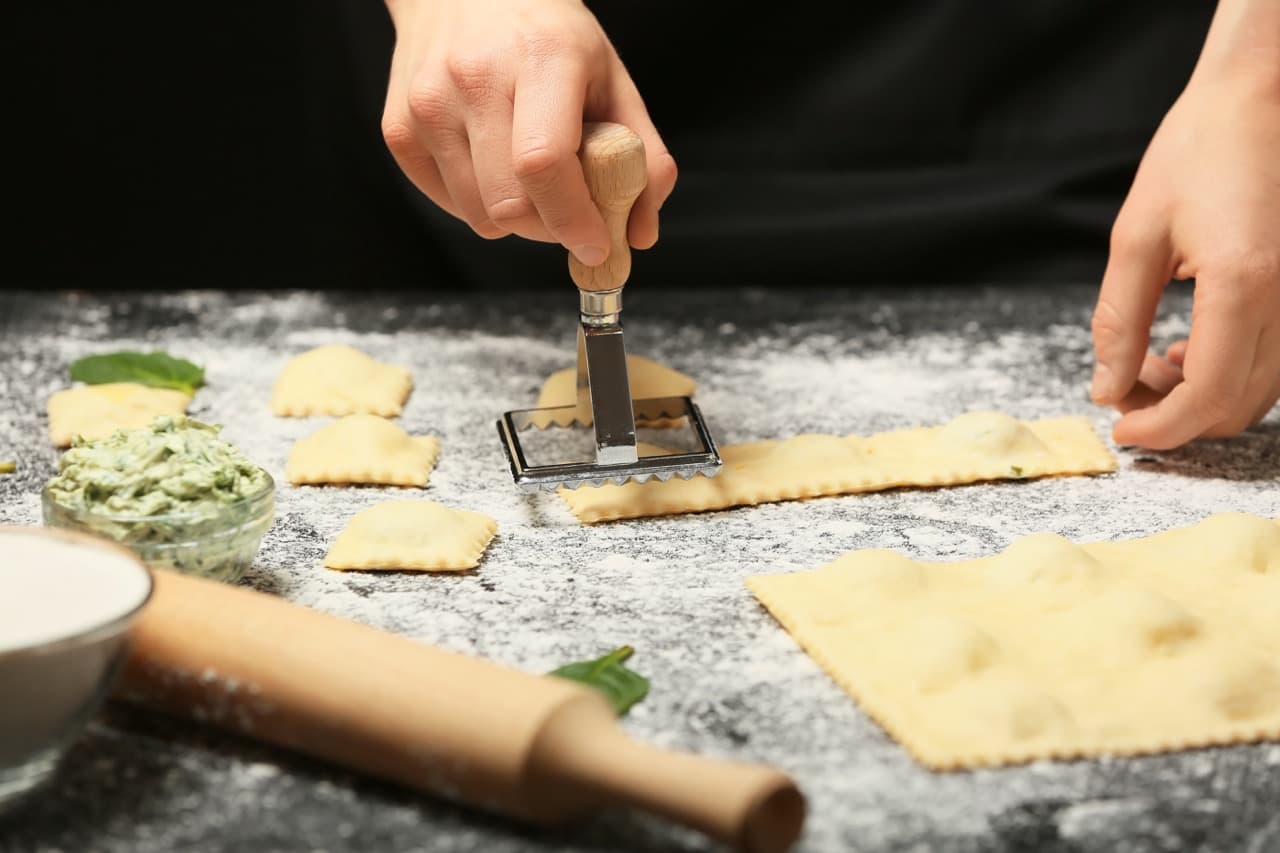
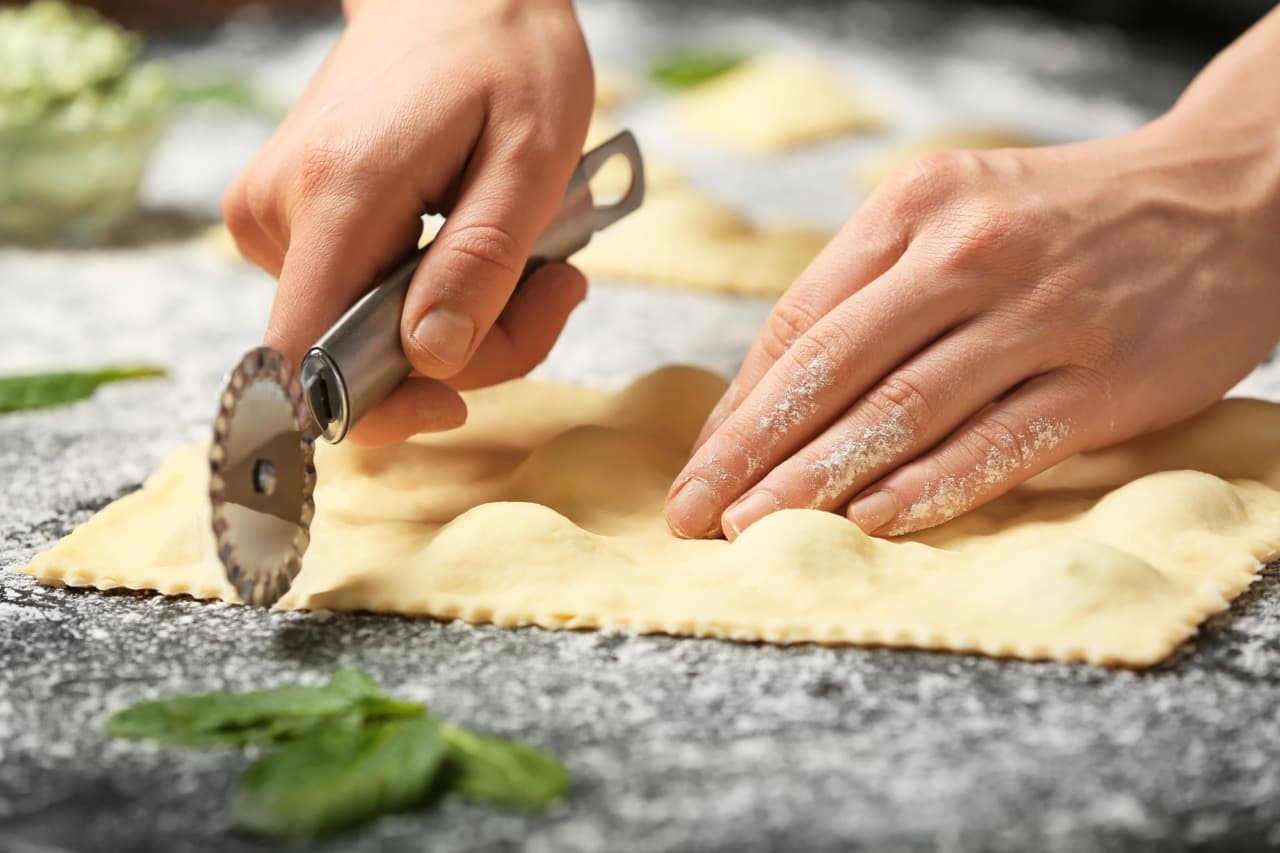
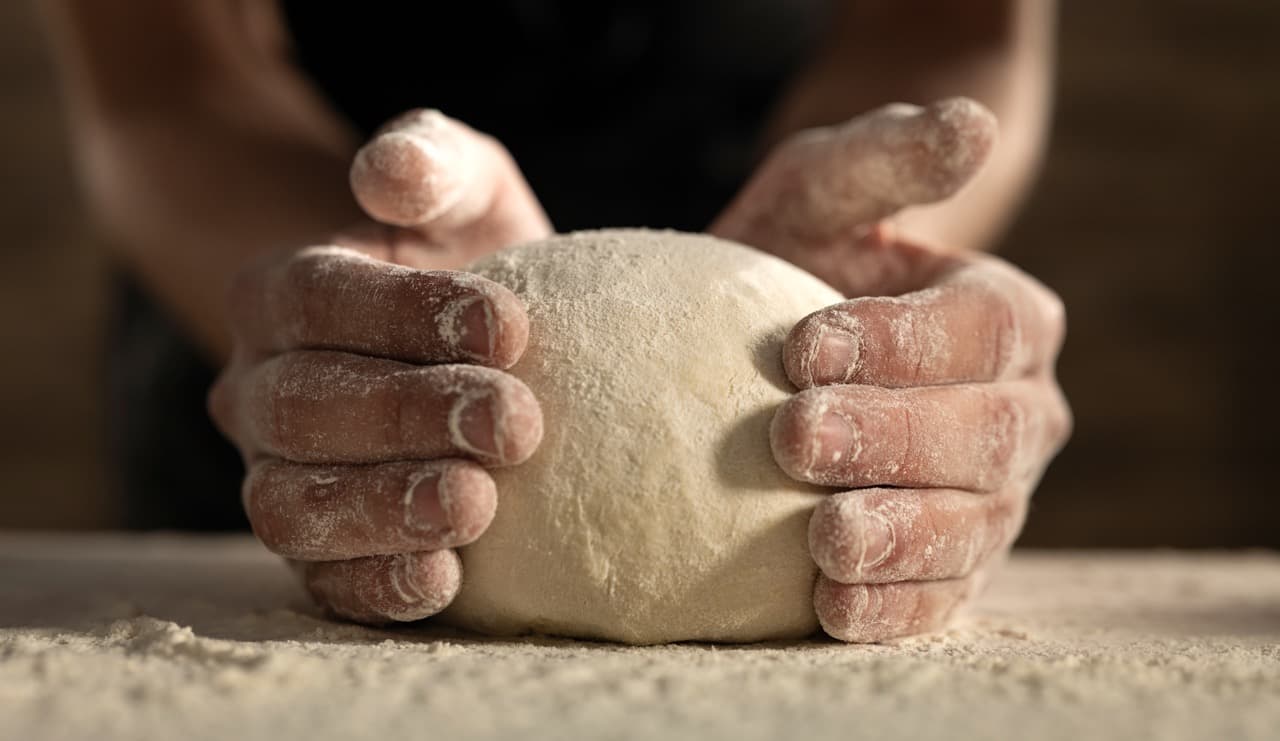
The natural mineralization and slight carbonation have a technological effect on the dough: it becomes more elastic and silky, easier to roll out, cooks more evenly, and retains its shape.
This is particularly important when making thin ravioli with a delicate filling. In one of my recipes—ravioli with stracciatella and red caviar—I achieved exactly the texture I was aiming for: the dough literally melts in the mouth, highlighting the creaminess of the cheese and the vibrant flavor of the caviar without overpowering them.
I have used this method for other types of pasta as well. The key condition is that the water must be well-chilled: this keeps the carbon dioxide dissolved in the liquid until the kneading process, making the effect even more pronounced.
This simple adjustment in technique can significantly improve the result and elevate the dough to a whole new level.
I highly recommend trying it—especially when working with thin, delicately filled pasta, where every nuance of texture matters.
author:
Iuri Drugov
Comment