How to make Middle Eastern dips lighter and more flavorful using mineral water.
1 min read
How to make Middle Eastern dips lighter and more flavorful using mineral water.
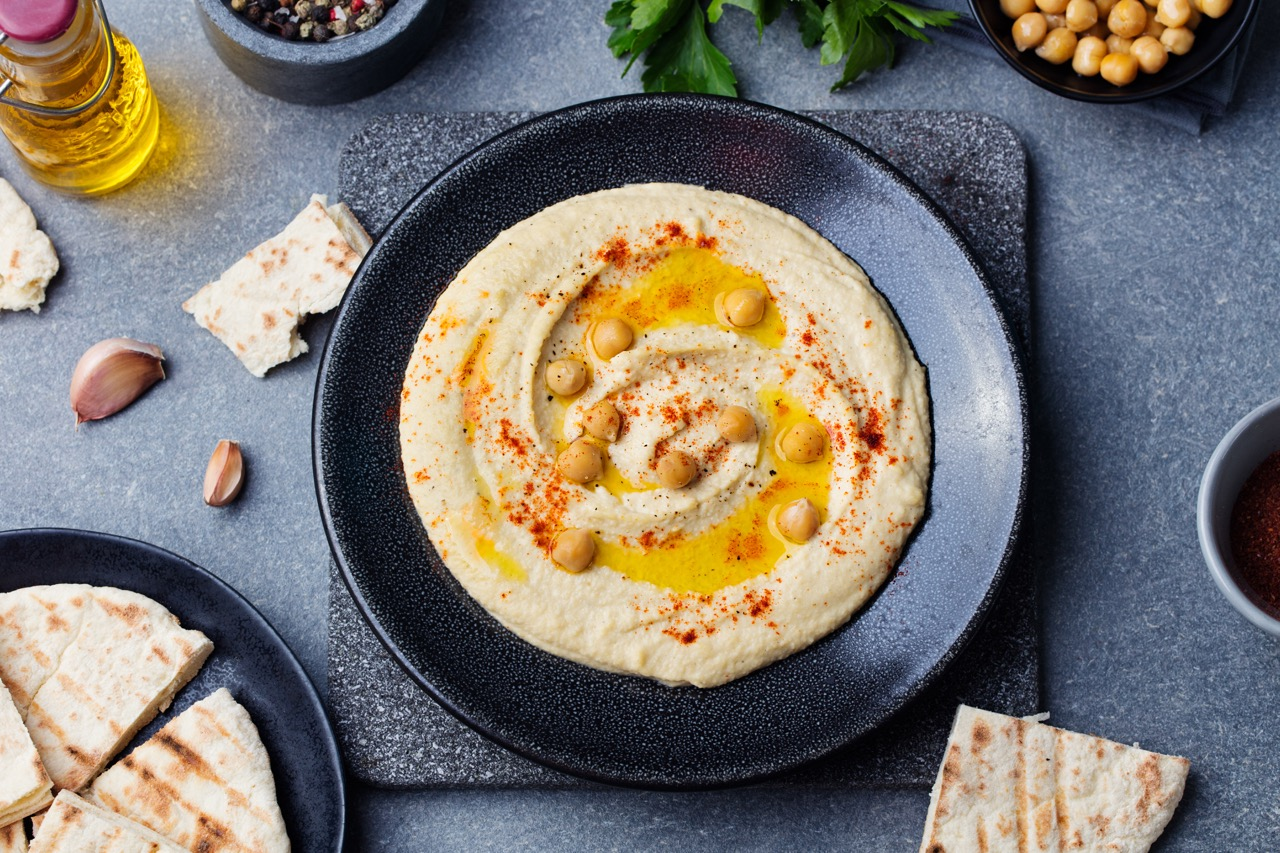
When working with the Middle Eastern cuisine, preserving authenticity is especially important—the distinctive depth of flavor that comes from simple yet rich ingredients: tahini, chickpeas, yogurt, olive oil, garlic, and spices. However, in contemporary presentations, I often aim to add more lightness and refined texture—particularly when serving a “mezze” trio: hummus, baba ganoush, and labneh.
To achieve this effect, I use Borjomi—a naturally alkaline and slightly carbonated mineral water—to adjust the consistency of the dips. This is not merely a water replacement; it is a culinary technique that allows much more precise control over texture and flavor.
When working with the Middle Eastern cuisine, preserving authenticity is especially important—the distinctive depth of flavor that comes from simple yet rich ingredients: tahini, chickpeas, yogurt, olive oil, garlic, and spices. However, in contemporary presentations, I often aim to add more lightness and refined texture—particularly when serving a “mezze” trio: hummus, baba ganoush, and labneh.
To achieve this effect, I use Borjomi—a naturally alkaline and slightly carbonated mineral water—to adjust the consistency of the dips. This is not merely a water replacement; it is a culinary technique that allows much more precise control over texture and flavor.
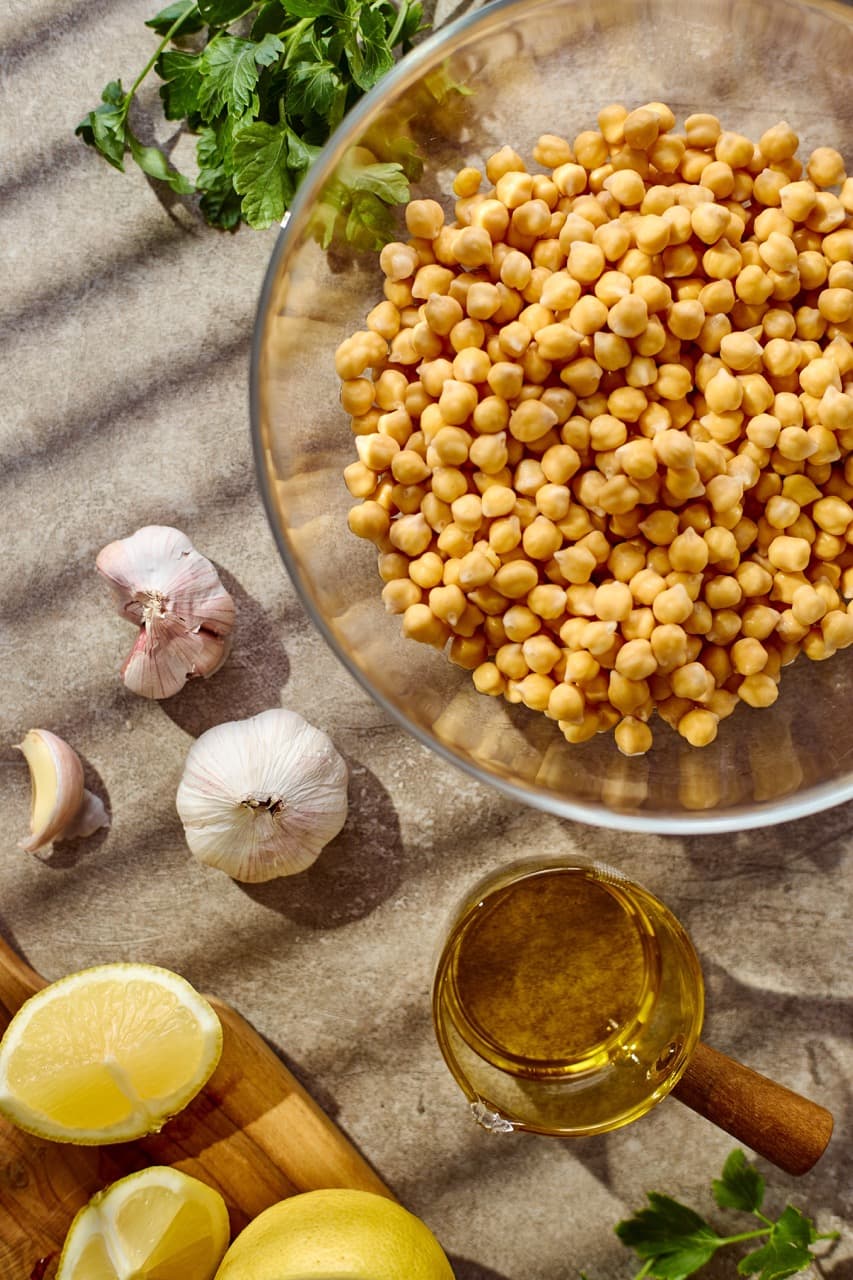
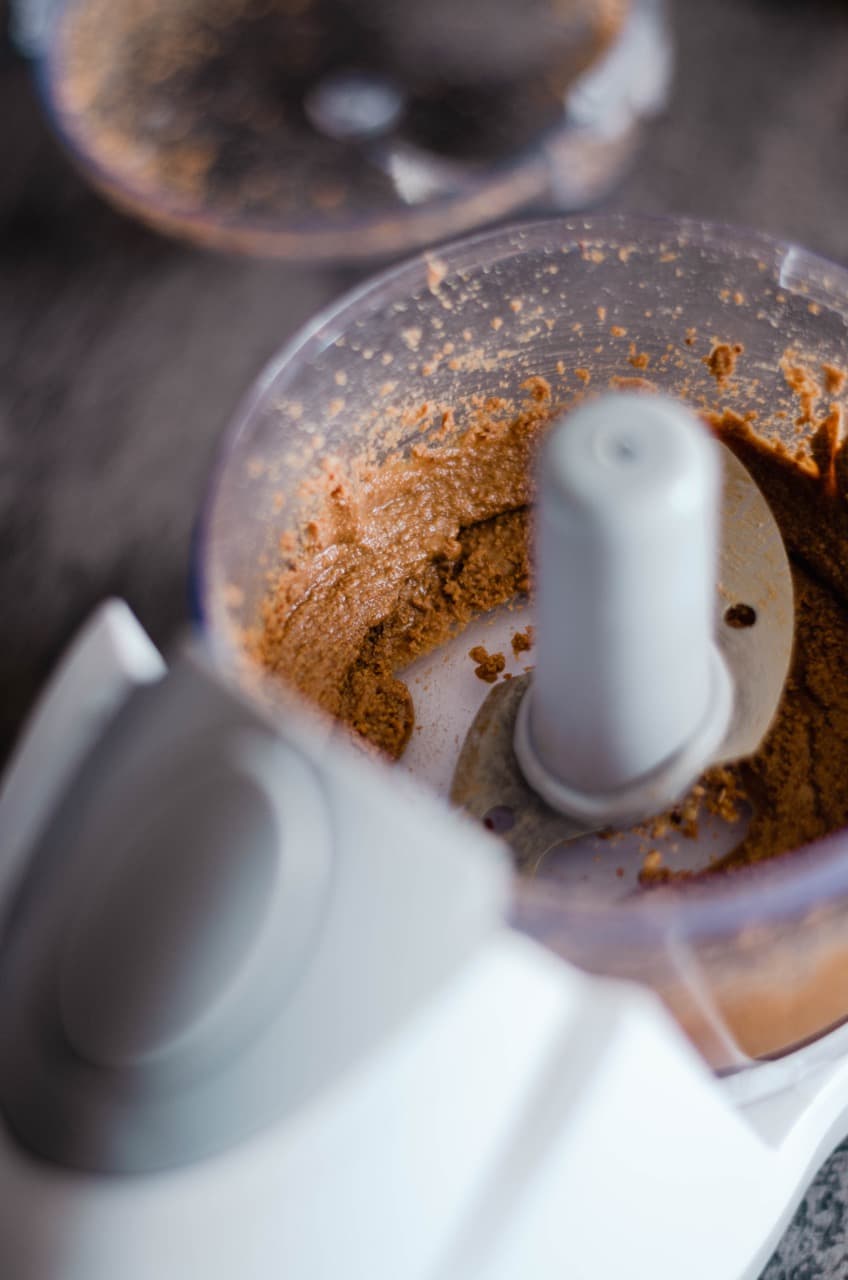
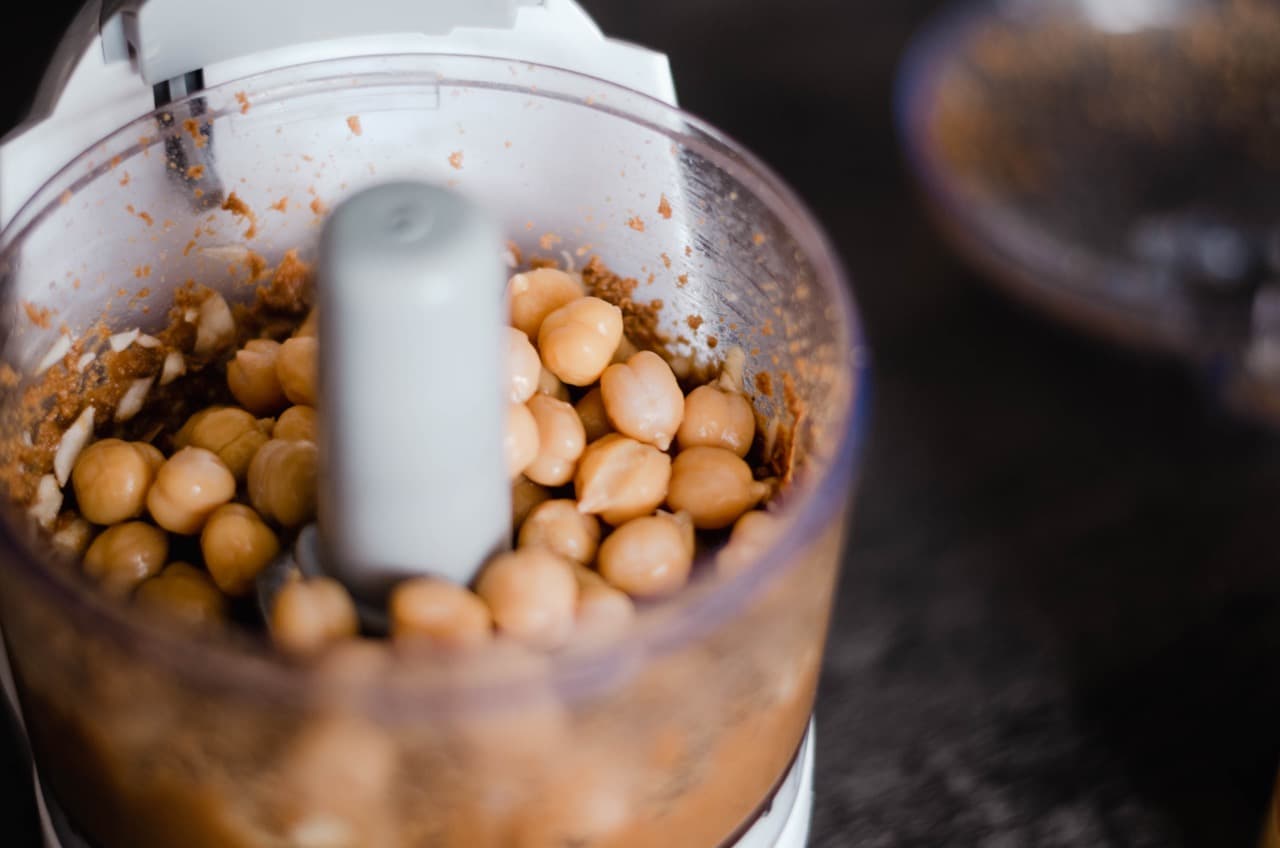
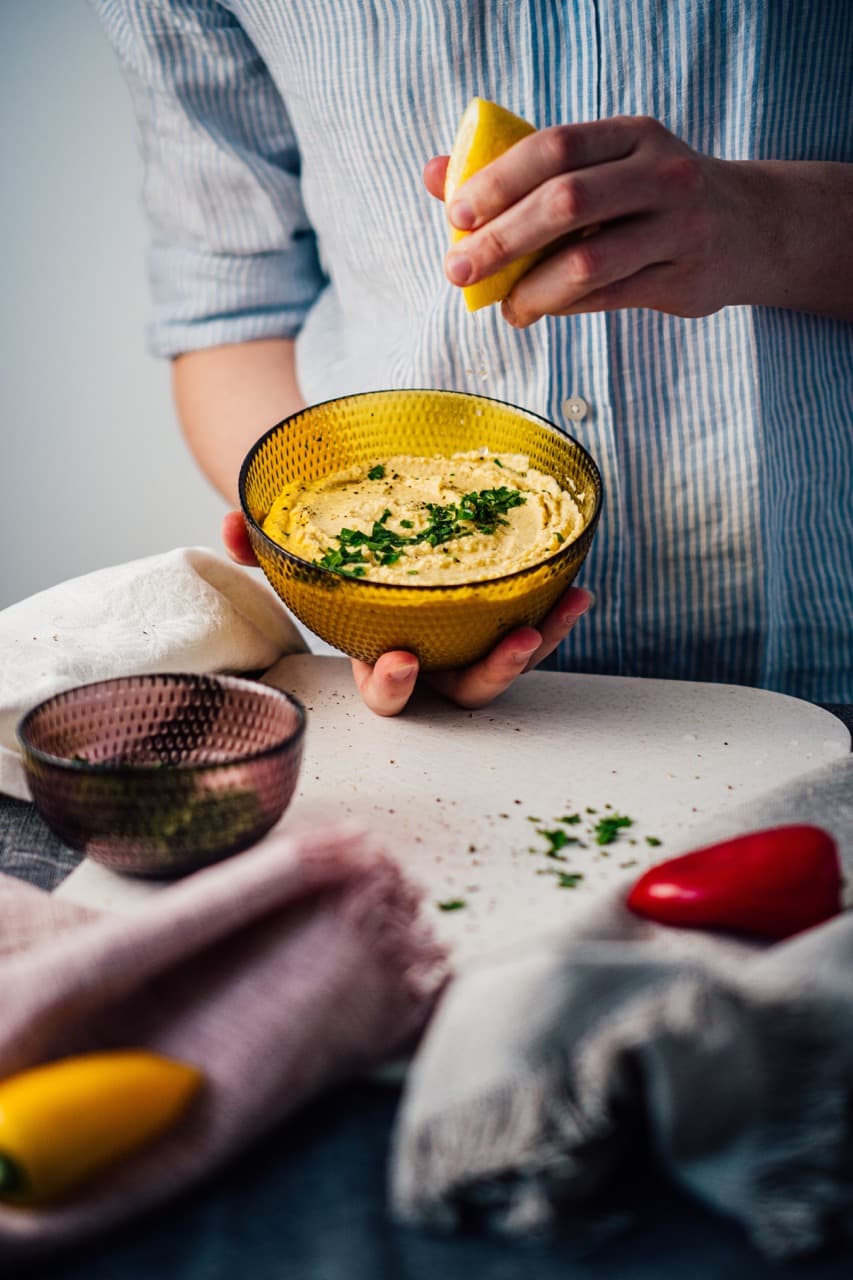
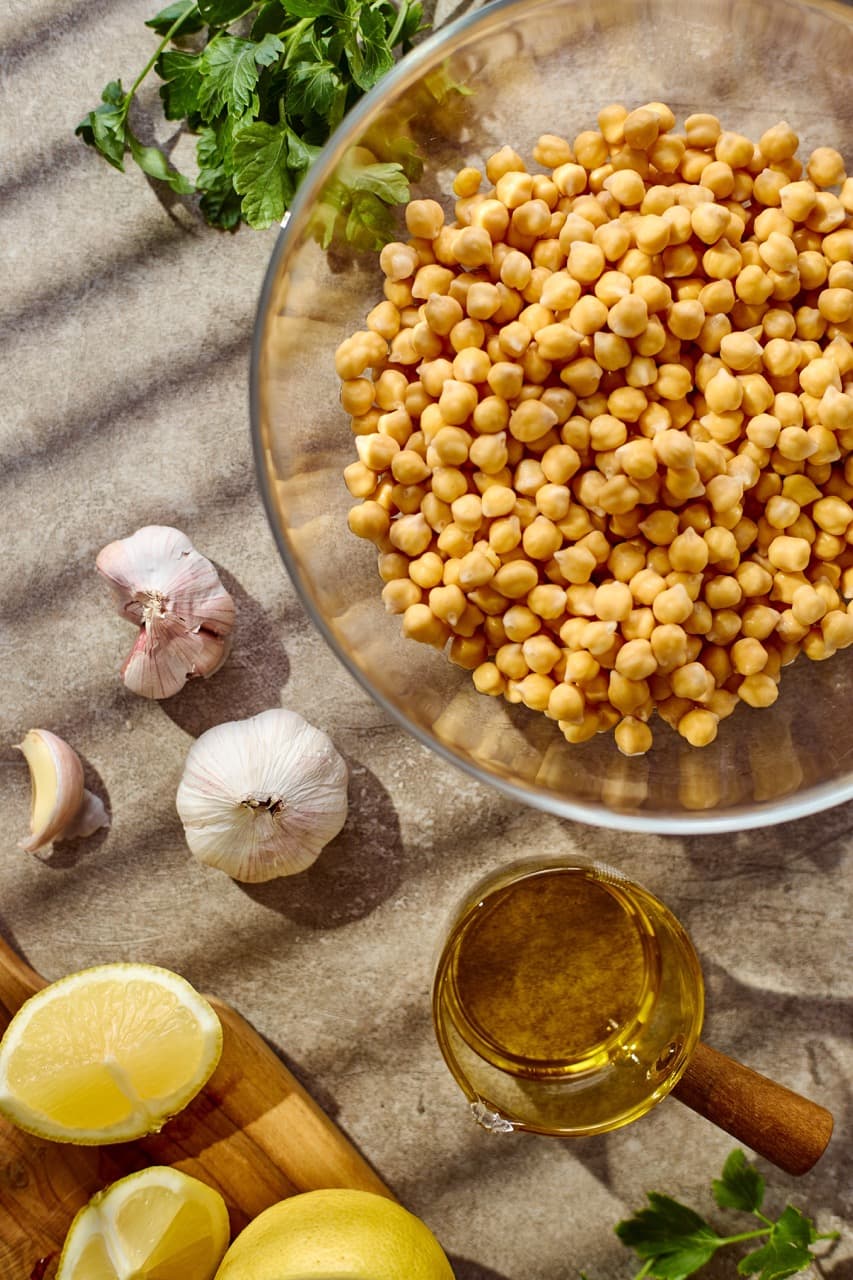
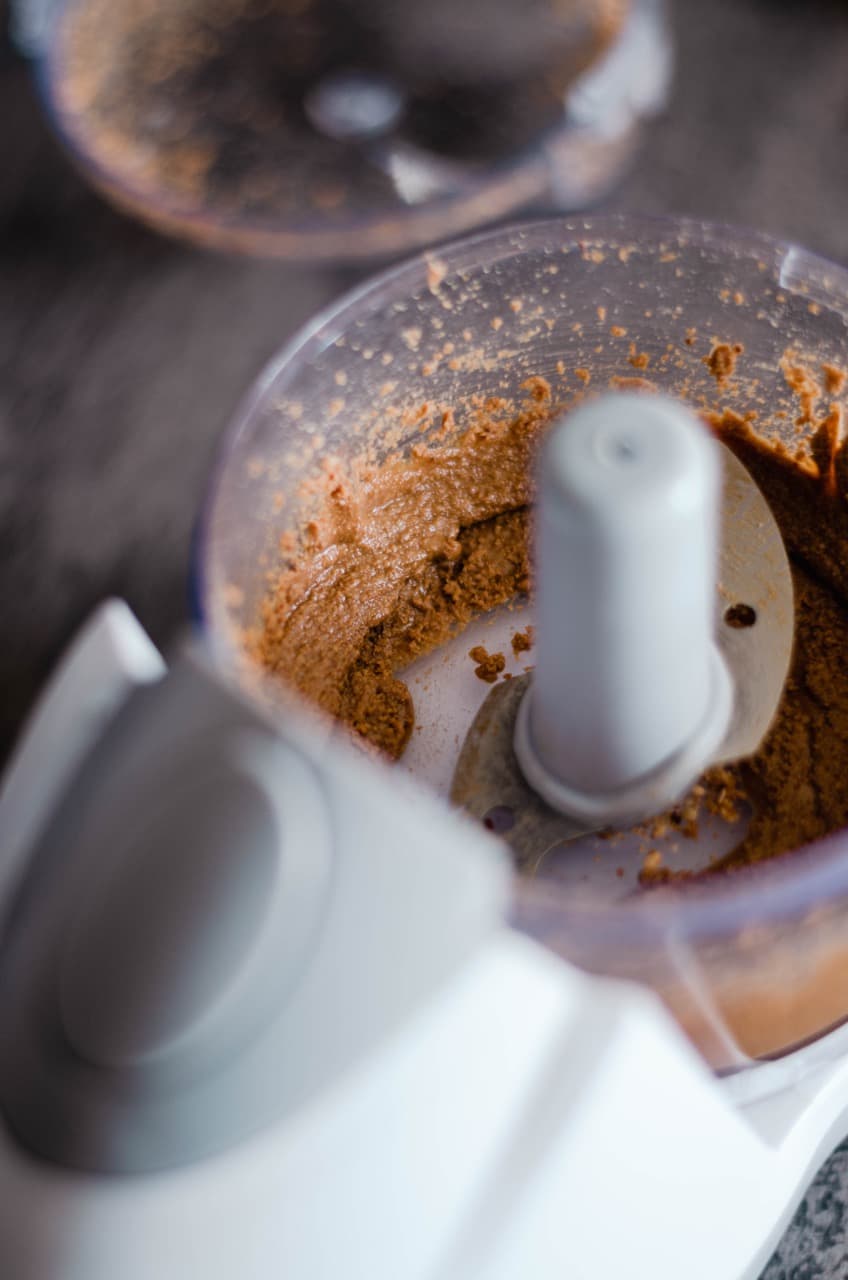
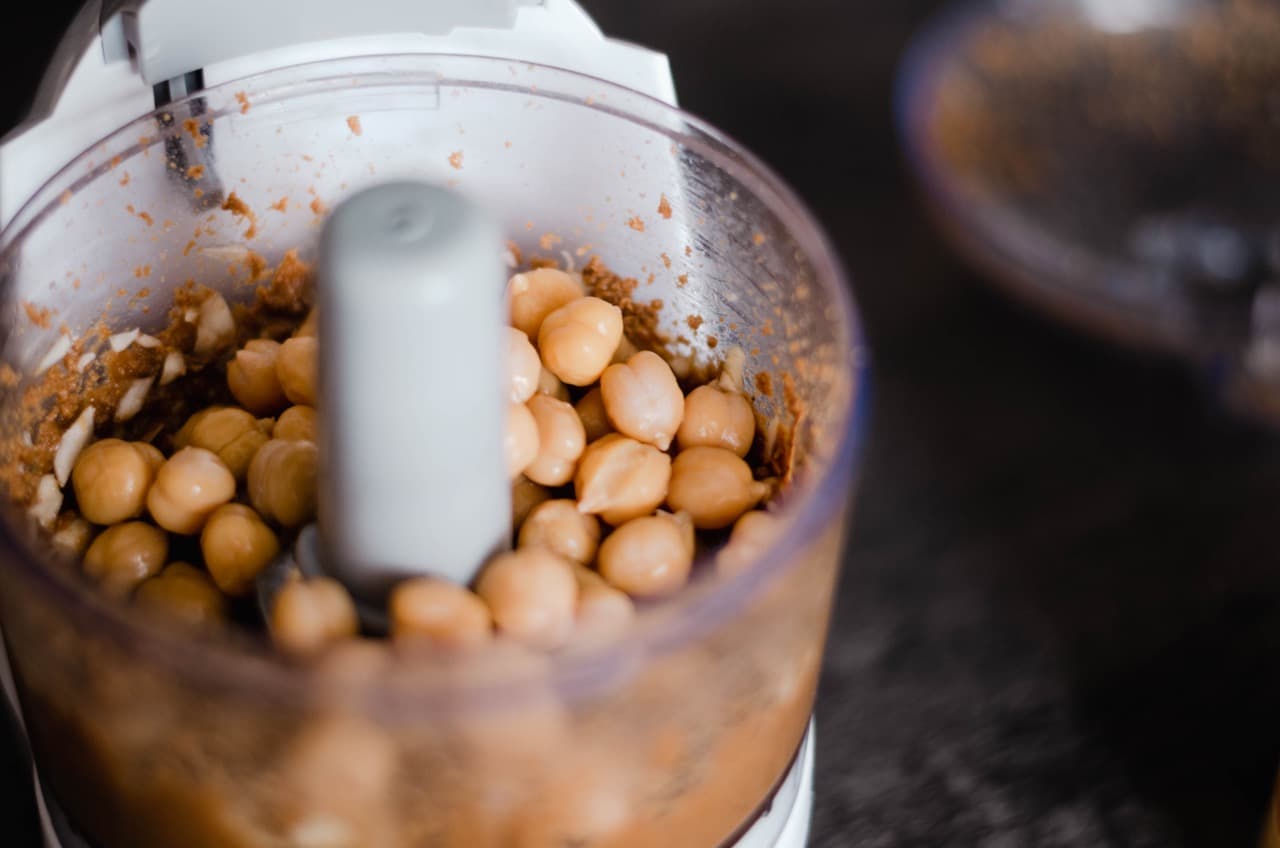
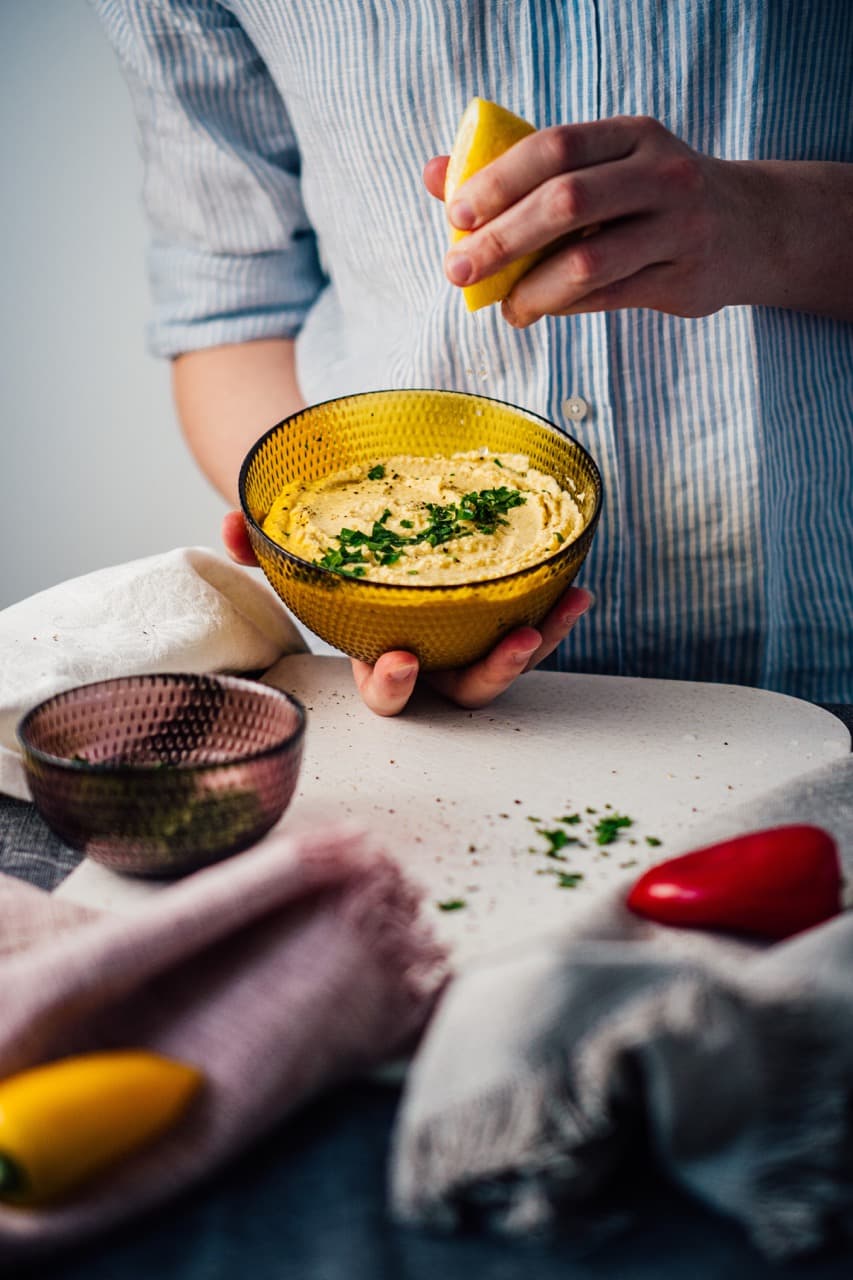
First, Borjomi helps create a smoother, more emulsified texture. In hummus, for example, the chickpea paste becomes silky and pleasantly “elastic,” rather than dense and heavy. In baba ganoush, Borjomi accentuates the roasted, smoky flavor of the eggplant and softens the acidity of the lemon. In labneh, the alkaline water balances the yogurt’s tanginess, making the dip lighter and airier.
Second, the mineral content of the water influences to the release of spices. Notes such as cumin, coriander, fenugreek, or fresh mint become more pronounced yet delicate at the same time. This is especially valuable when the dips are served with pita or vegetables—the flavor does not overpower the dish but complements it.
This approach is ideal for sharing or gastronomic presentation, when you want to preserve traditional flavors while making them lighter, more contemporary, and more harmonious with other dishes. In this context, Borjomi is not just a liquid; it becomes a refined, intelligent, and precise culinary tool.
author:
Bakhtior Abdukhakimov
Comment