How to learn to pair spices perfectly with any food?
4 min read
How to learn to pair spices perfectly with any food?
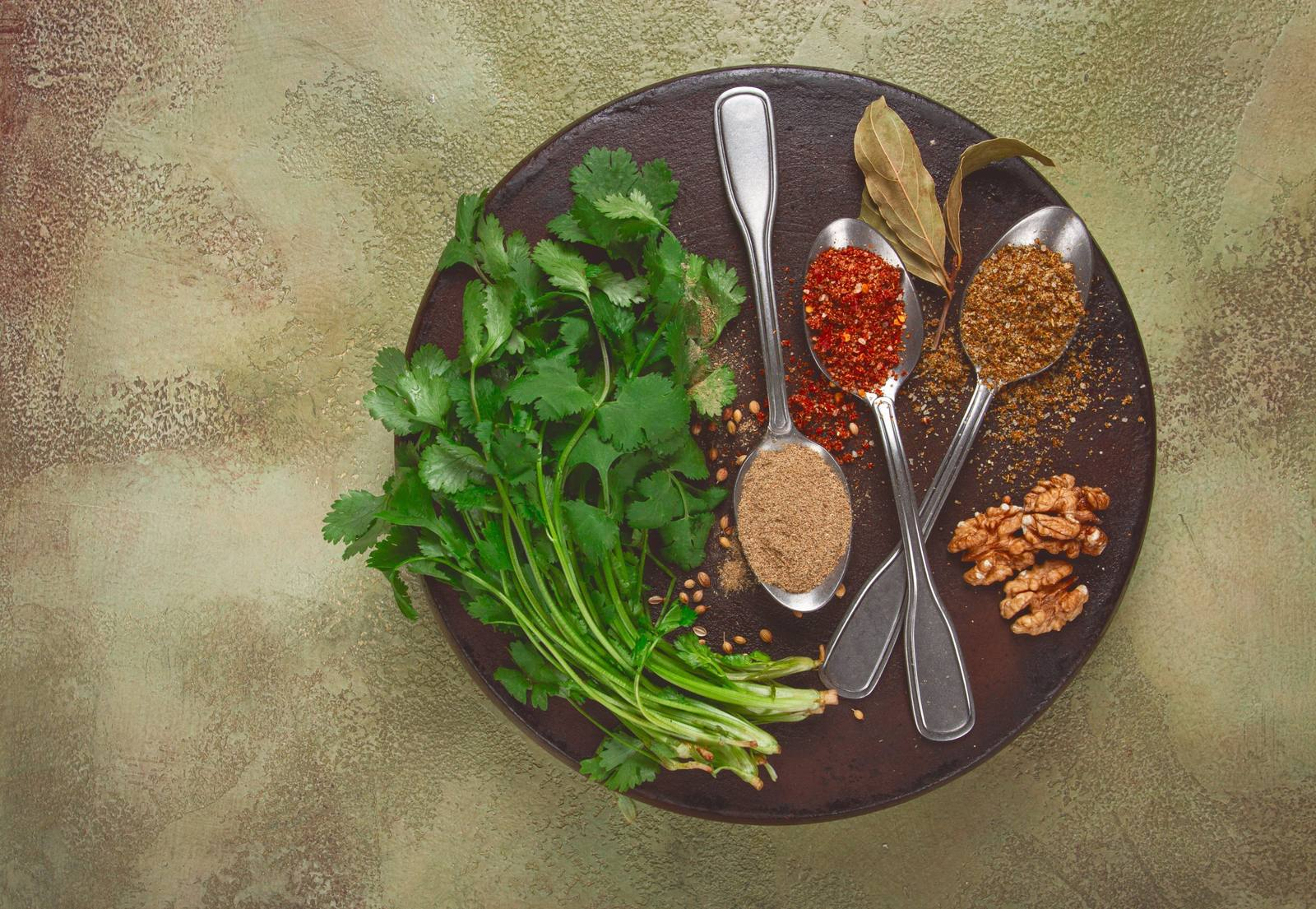
A key topic in any kitchen is the proper use of spices. They should be viewed not merely as “flavor enhancers,” but as full-fledged culinary tools. Carefully selected spices enhance the flavor of meat, cut through excess fat, add depth to broth, and bring out the natural sweetness of vegetables.
The choice of spices depends directly on the texture and richness of the ingredient itself:
Tender meat: requires mild spices so the meat doesn’t lose its natural flavor (thyme, rosemary, dill, parsley, lemon zest).
Fatty and rich meat: pairs well with bold spices that add depth of flavor and balance the fat content (cumin, coriander, black pepper, paprika, garlic, chili).
Stews and soups: These call for spices that gradually release their aroma during long cooking times (bay leaf, allspice, cloves, thyme, rosemary, coriander).
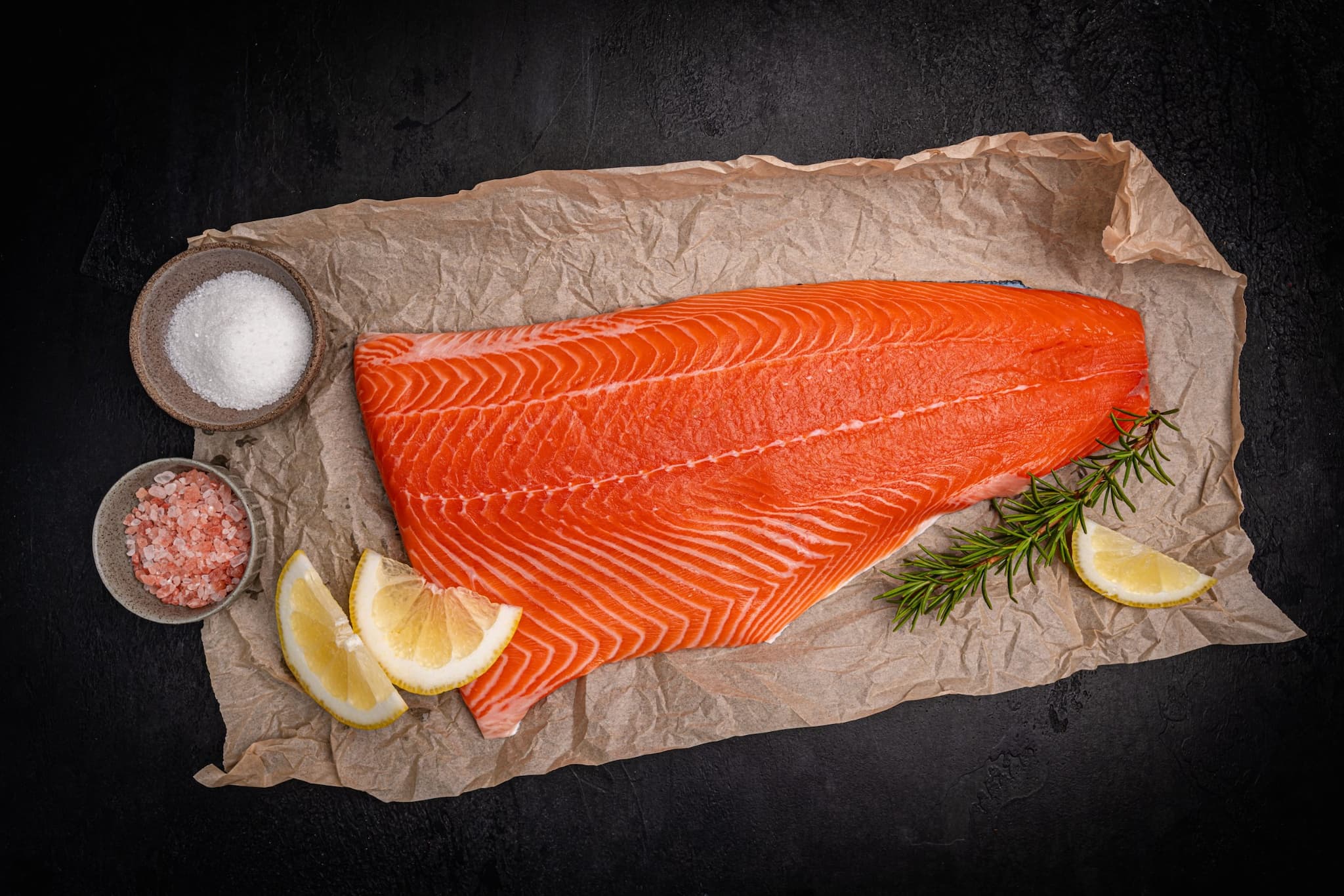
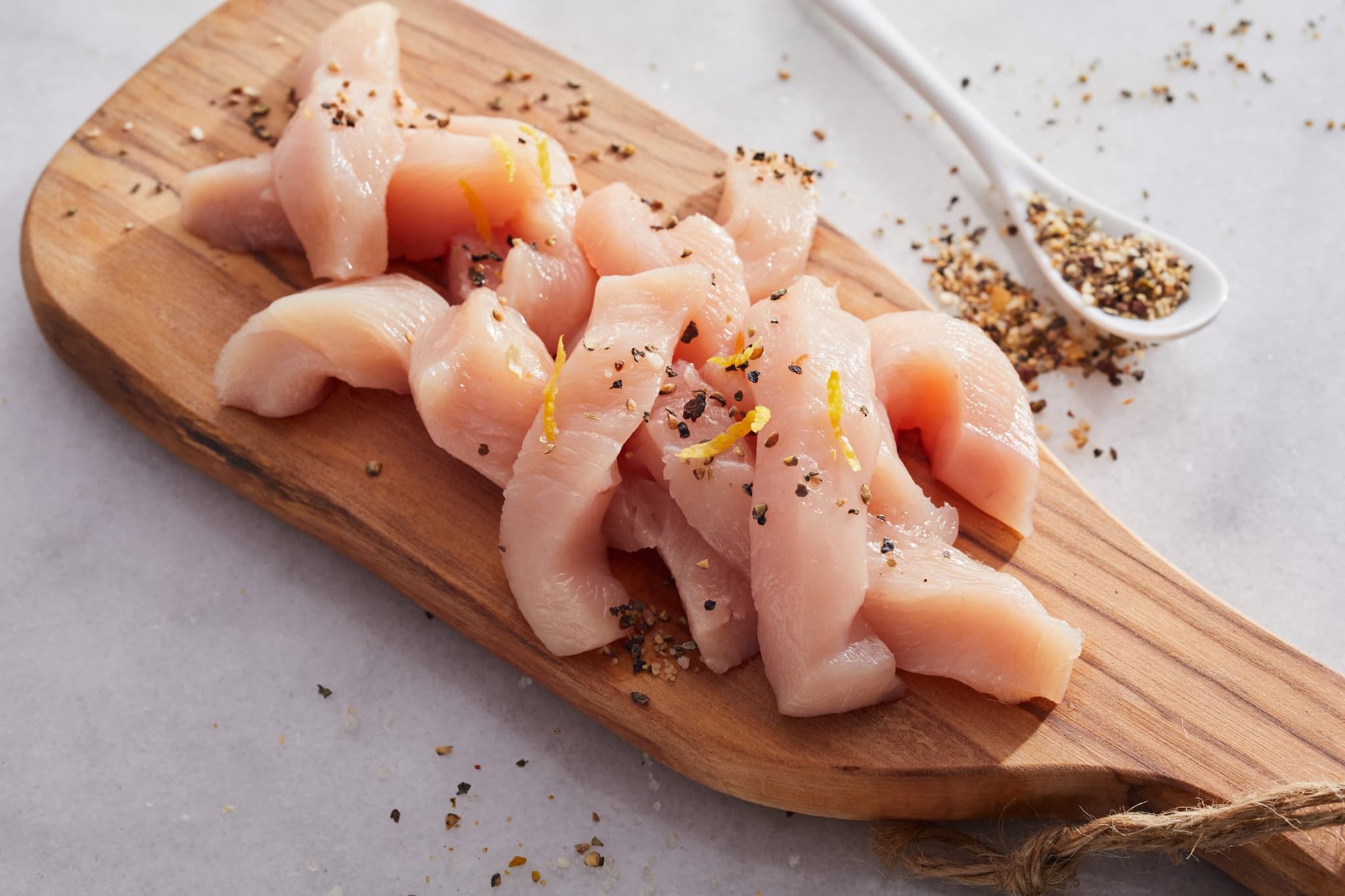
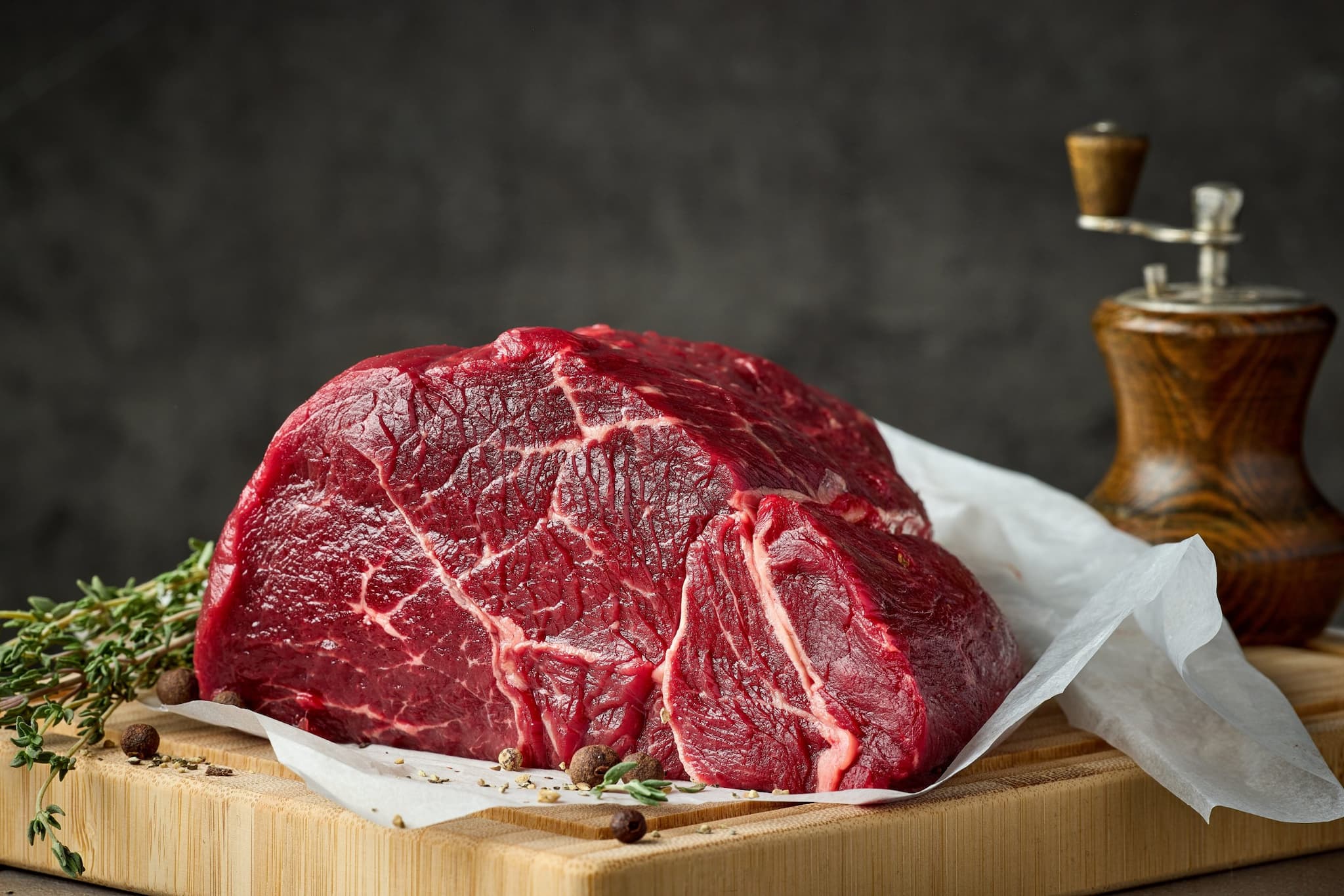
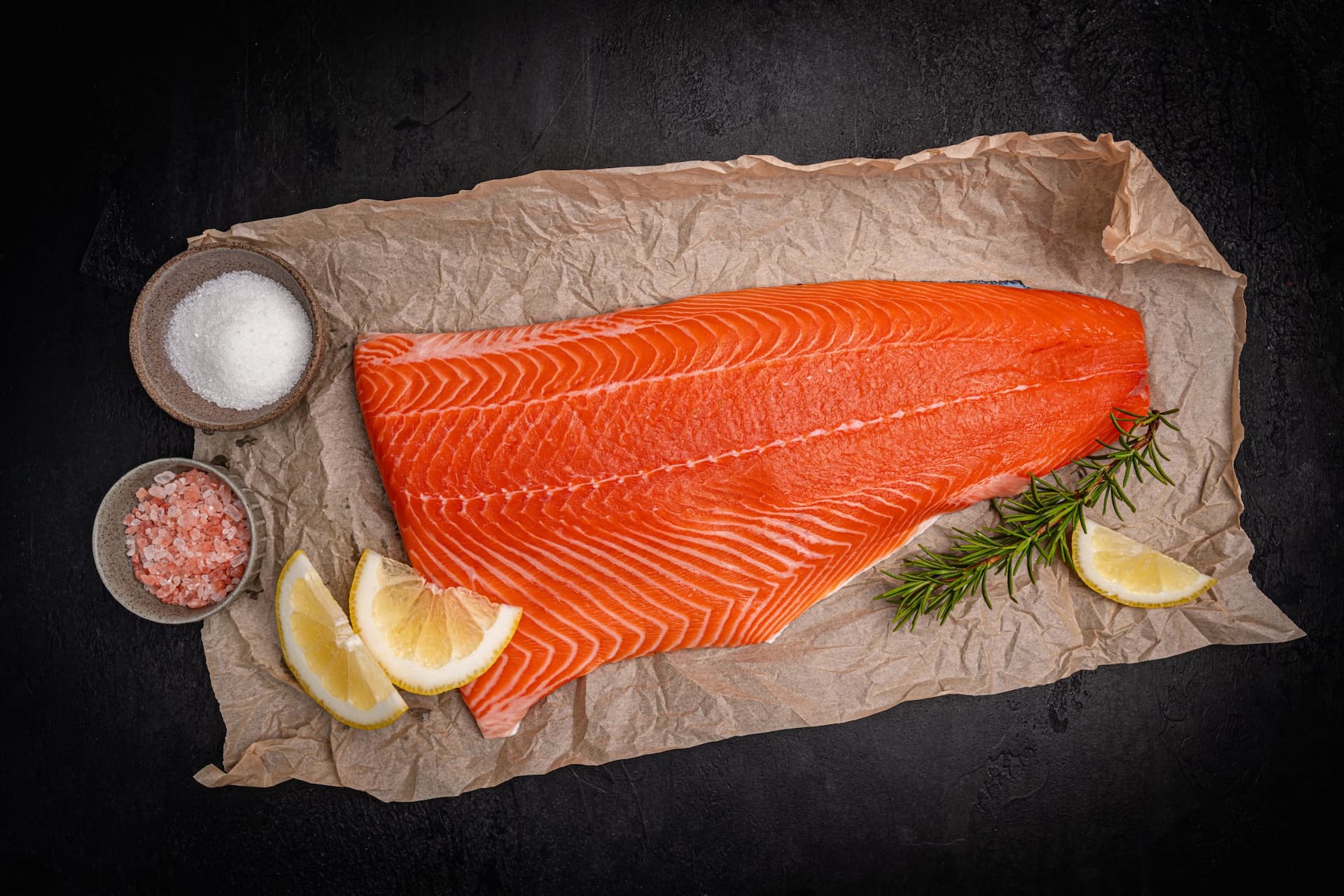
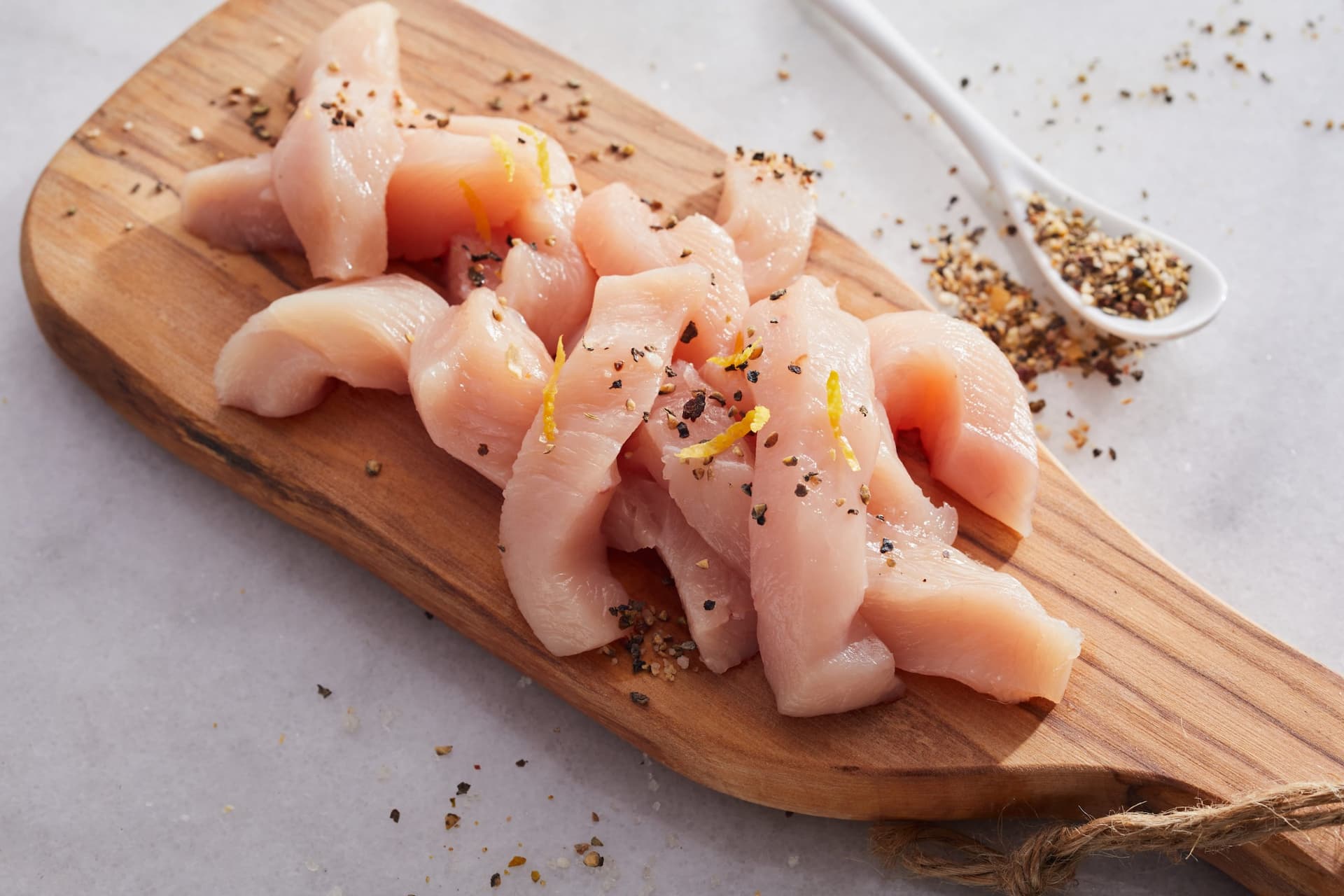
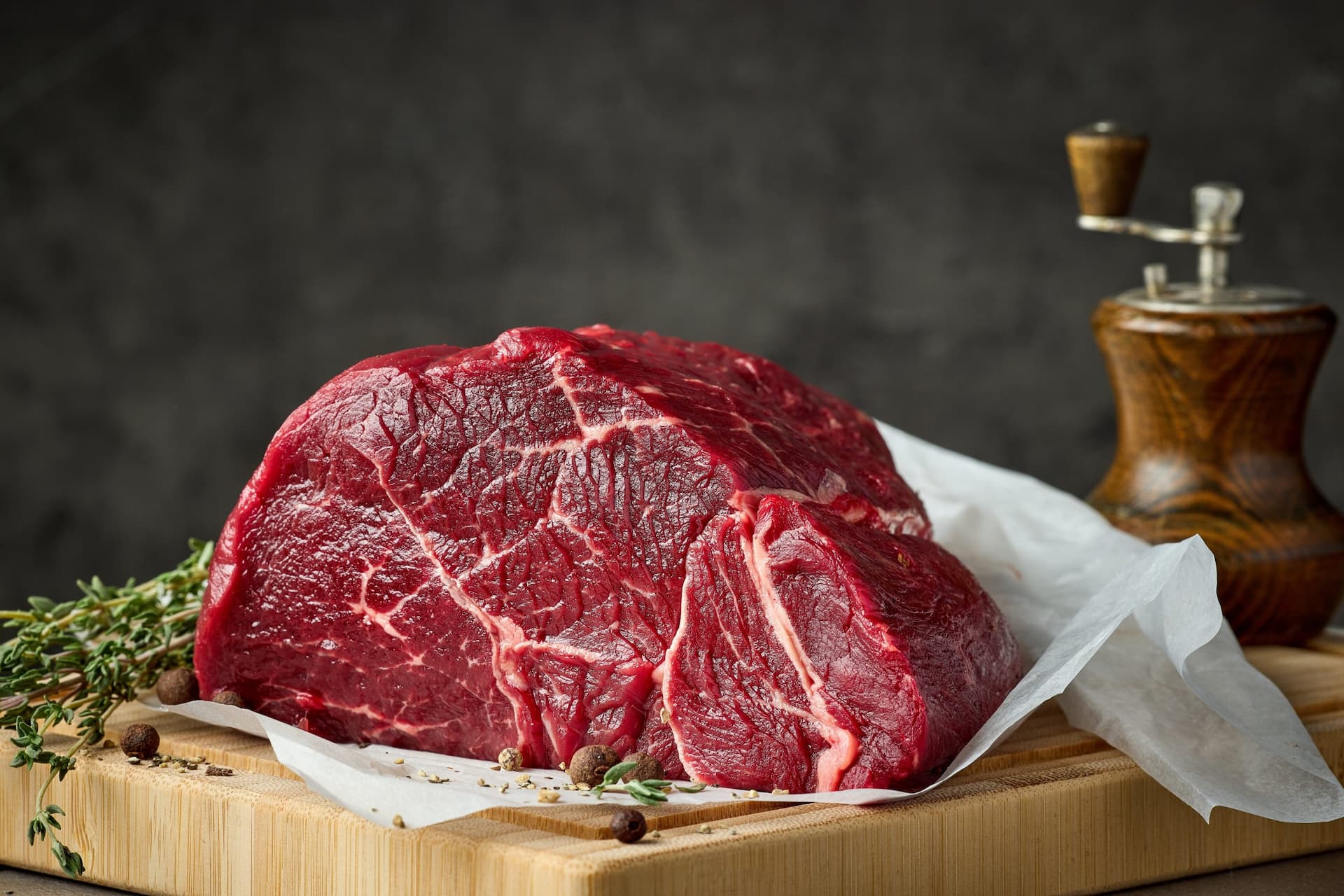
Ideal combinations for different meats
Beef
For steak: black pepper and rosemary.
For stews: paprika, thyme, bay leaf.
For soups: bay leaf and allspice.
Lamb
It has a strong natural flavor, and spices should balance it rather than mask it. Excellent choices include: cumin, coriander, rosemary, garlic, thyme, and black pepper. Important: Too much cumin creates a flavor profile that’s too heavy, which can ruin the dish. Win-win combinations: cumin + coriander + garlic; rosemary + garlic.
Chicken
It pairs perfectly with paprika, cloves, garlic, turmeric, curry, thyme, oregano, and basil. However, be careful: rosemary has a very dominant flavor, and too much clove or cinnamon can make the chicken taste like a dessert.
Turkey
Prefers mild herbs. Sage, thyme, garlic, and paprika work well.
Fish and Seafood
The best pairings are lemon, dill, garlic, and thyme.
Timing: When exactly should you add spices?
The timing of when you add spices critically affects the final result:
— At the start of cooking (to release their flavor in oil): cumin, coriander, curry, and paprika.
— Midway through cooking (for depth of flavor): thyme, rosemary, bay leaf.
— At the end of cooking (for a fresh aroma): fresh herbs, garlic, black pepper, basil.
4 Common Mistakes When Working with Spices
A “muddy” flavor due to an excess of spices. The optimal formula for a single dish: 2–4 main spices and 1 bold accent.
Adding all the spices at once. As mentioned above, some spices should be heated in oil, while others should be added at the very end.
Overdoing it with rosemary. This is a very potent spice that’s particularly risky for delicate fish, chicken, and light soups.
Simmering bay leaves for too long. If you simmer them for more than 30–40 minutes, they’ll start to impart a bitter taste to the broth.
The chef’s golden rule:
Spices should enhance the flavor of the ingredient, not mask it. If you can’t “taste” the quality of the meat after adding spices, you’ve used too many.
author:
Sanzharbek Yergeshaliyev
Comment