Georgian cuisine is a balance of simplicity, spices, and a warm atmosphere.
2 min read
Georgian cuisine is a balance of simplicity, spices, and a warm atmosphere.
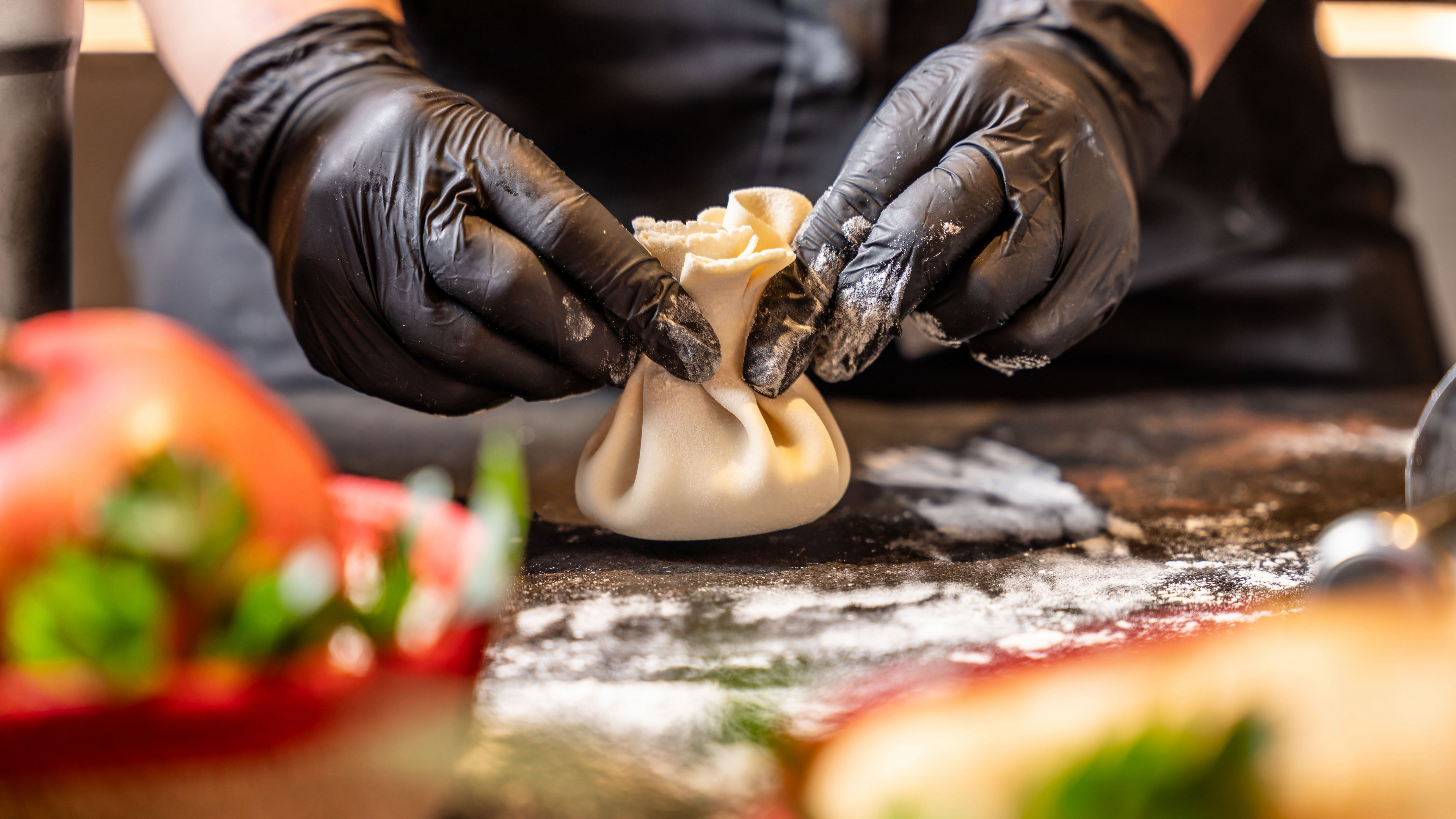
Georgian cuisine is, above all, about warmth, generosity, and a delicate balance of flavors, where each spice doesn’t stand out on its own but contributes to the dish’s overall harmony. It’s important to understand that spices here don’t mask the ingredients but enhance their natural flavors.
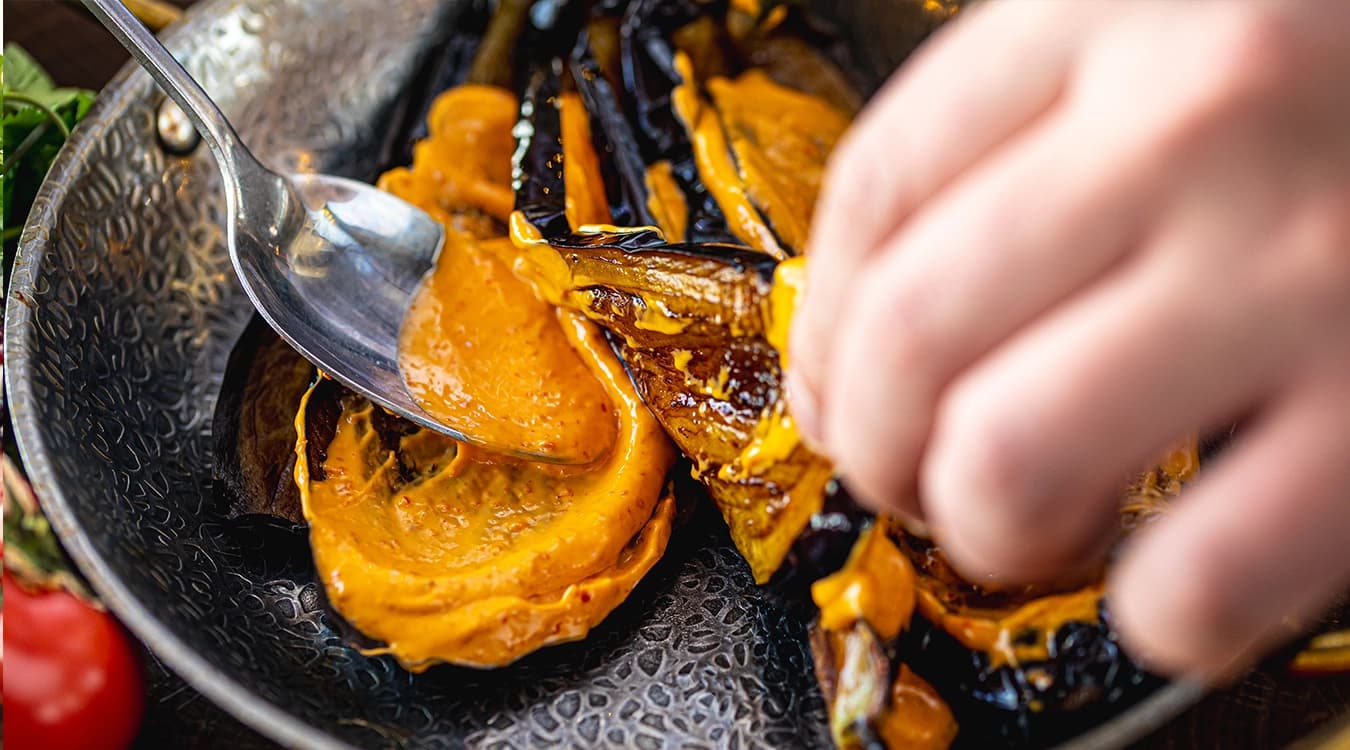
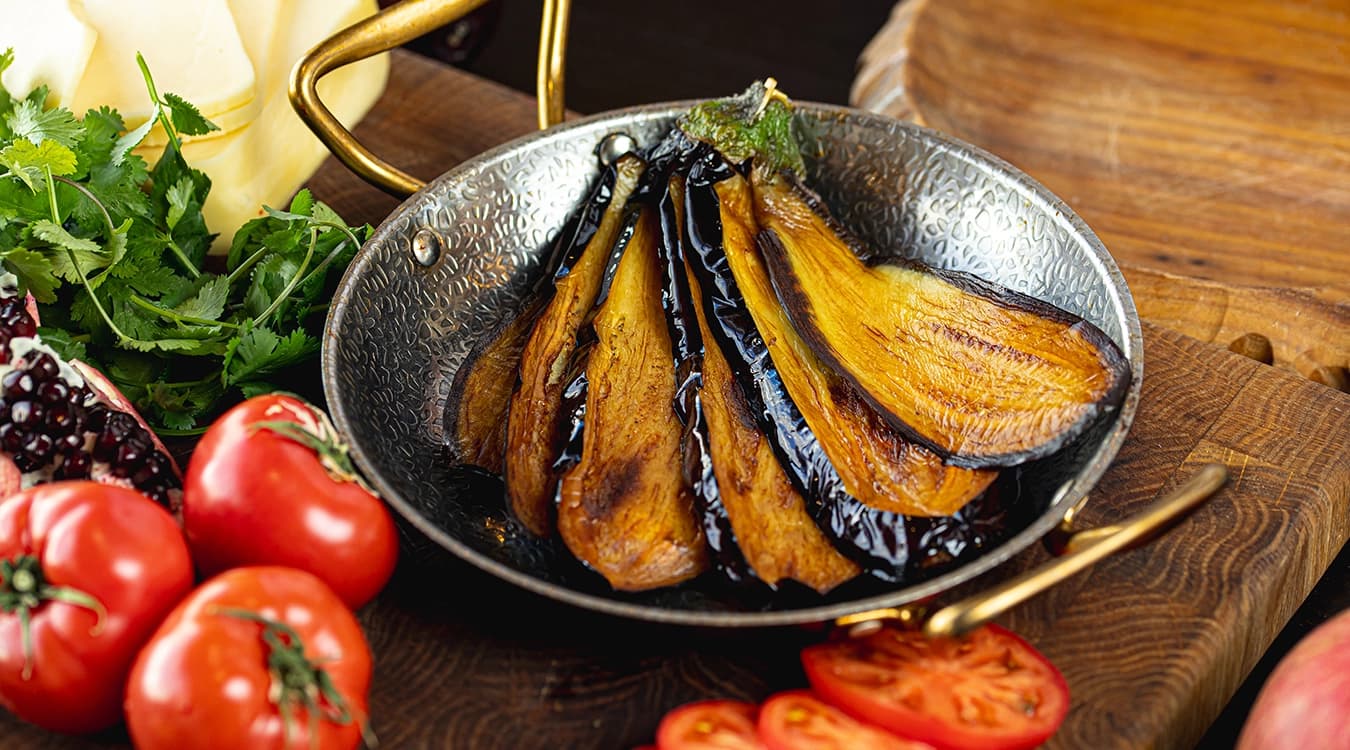
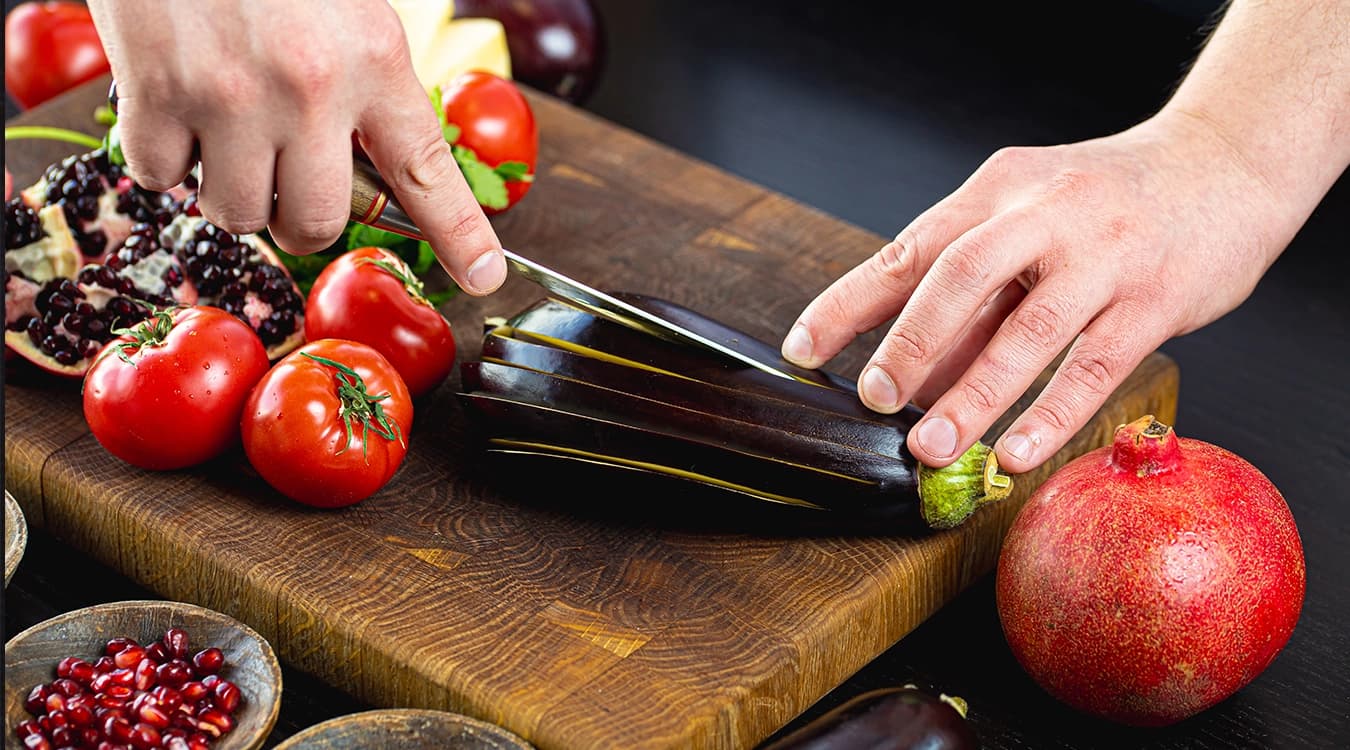
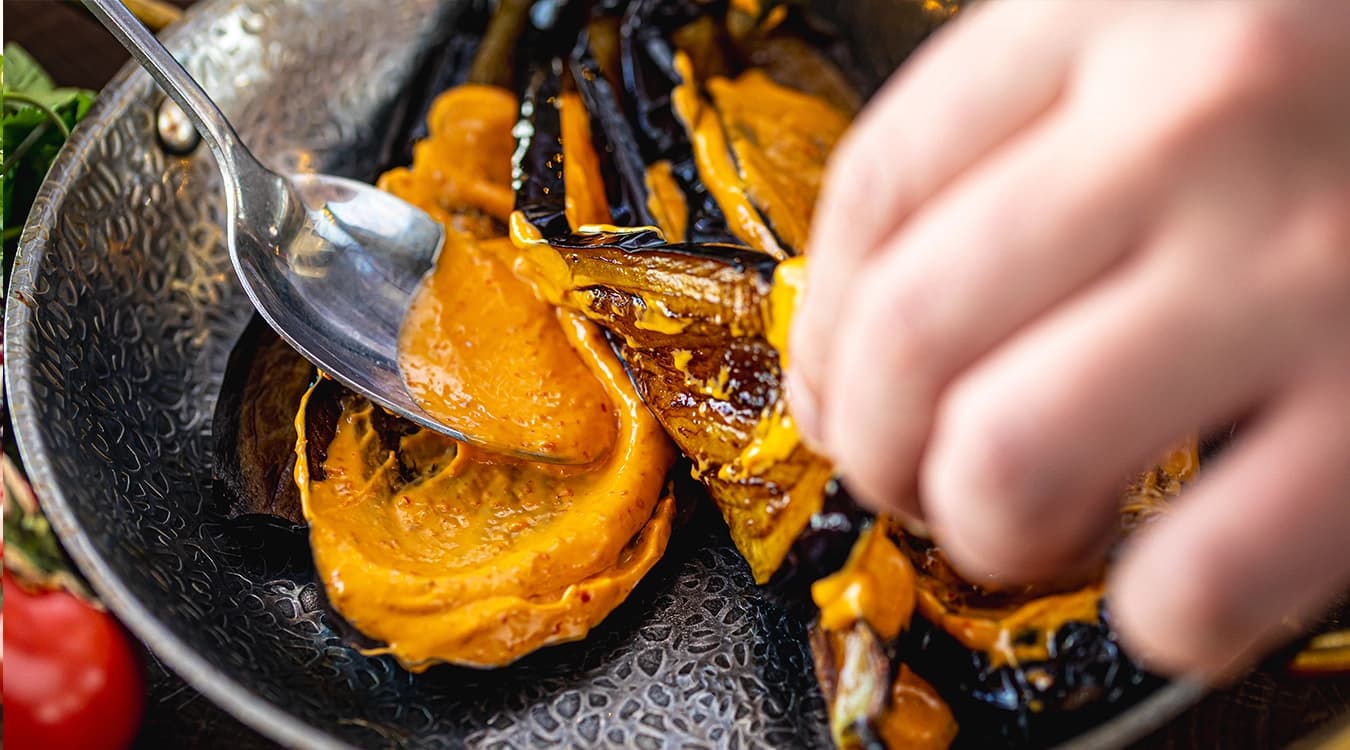
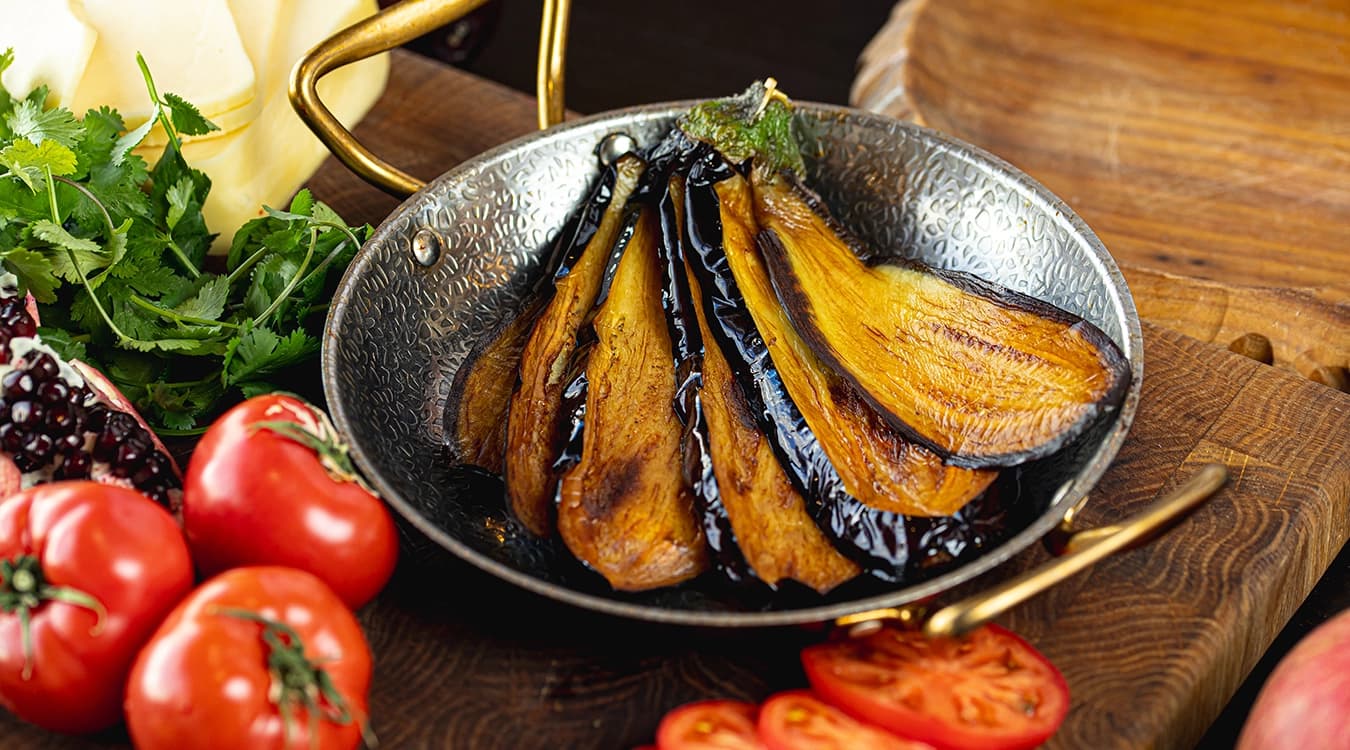
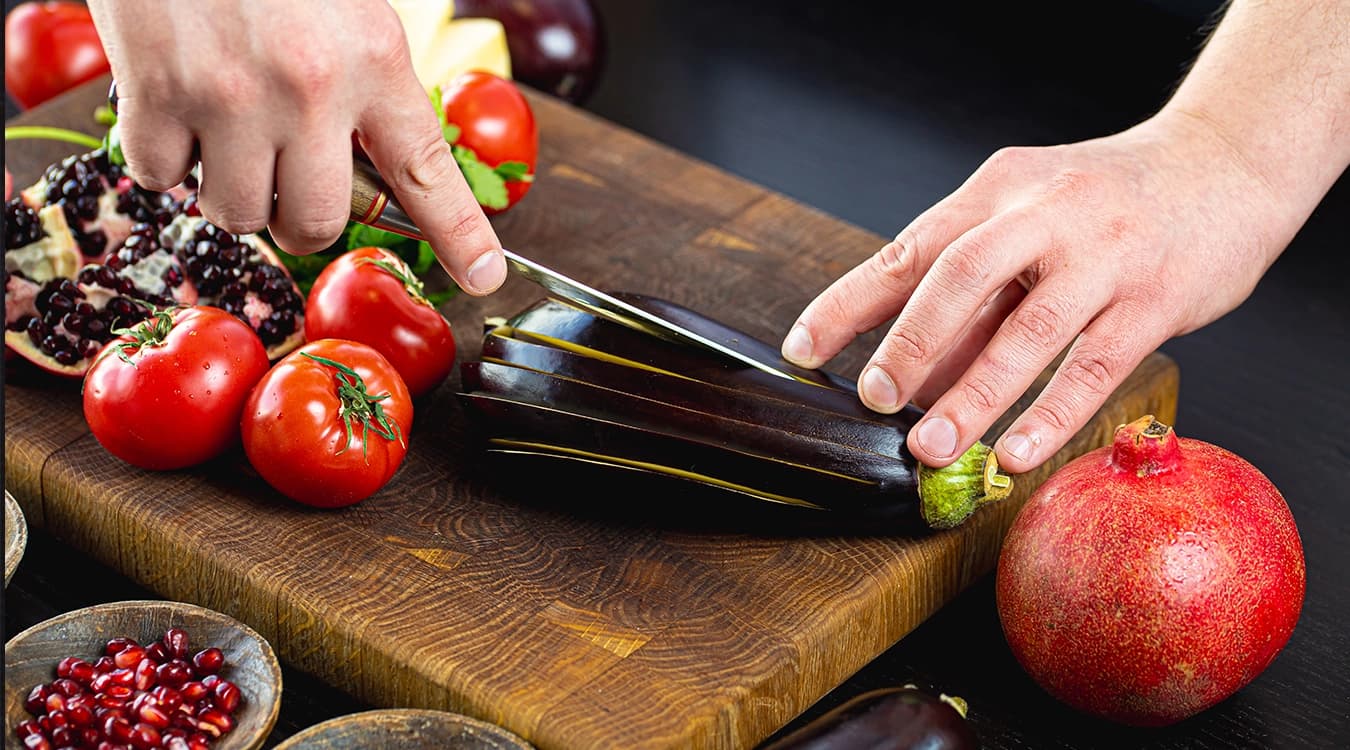
For example, spices such as Svan salt, garlic, cilantro, and fenugreek are ideal for vegetables like eggplant, tomatoes, and peppers. They enhance the sweetness and depth of the vegetables, adding richness and a distinctive Georgian aroma. Eggplant particularly “loves” being paired with garlic, nuts, and the mild heat of adjika—this makes its flavor richer and more complex.


For meat, richer and warmer spices are traditionally used: khmeli-suneli, black pepper, cumin, and paprika. Beef pairs well with cilantro and garlic, while lamb pairs well with cumin and cilantro, which cut through any heaviness and add freshness. Poultry, in turn, pairs perfectly with milder and more aromatic notes—garlic, cilantro, a pinch of paprika, as well as creamy or nutty sauces.
Special attention should be paid to sauces: tkemali, satsivi, and adjika—these aren’t just additions, but full-fledged elements of flavor. Sweet-and-sour and spicy accents help balance the richness, add vibrancy, and make the dish more “alive.”
And the main principle is not to be afraid of simplicity. Georgian cuisine often uses readily available ingredients, but thanks to the right combination of spices and textures, they reveal themselves in a completely new way. This is precisely where its strength lies: in the ability to create a rich, deep, and memorable flavor from simple ingredients.
author:
Nikita Eremeyev
Comment