Chef's secret: how to properly salt salmon?
4 min read
Chef's secret: how to properly salt salmon?
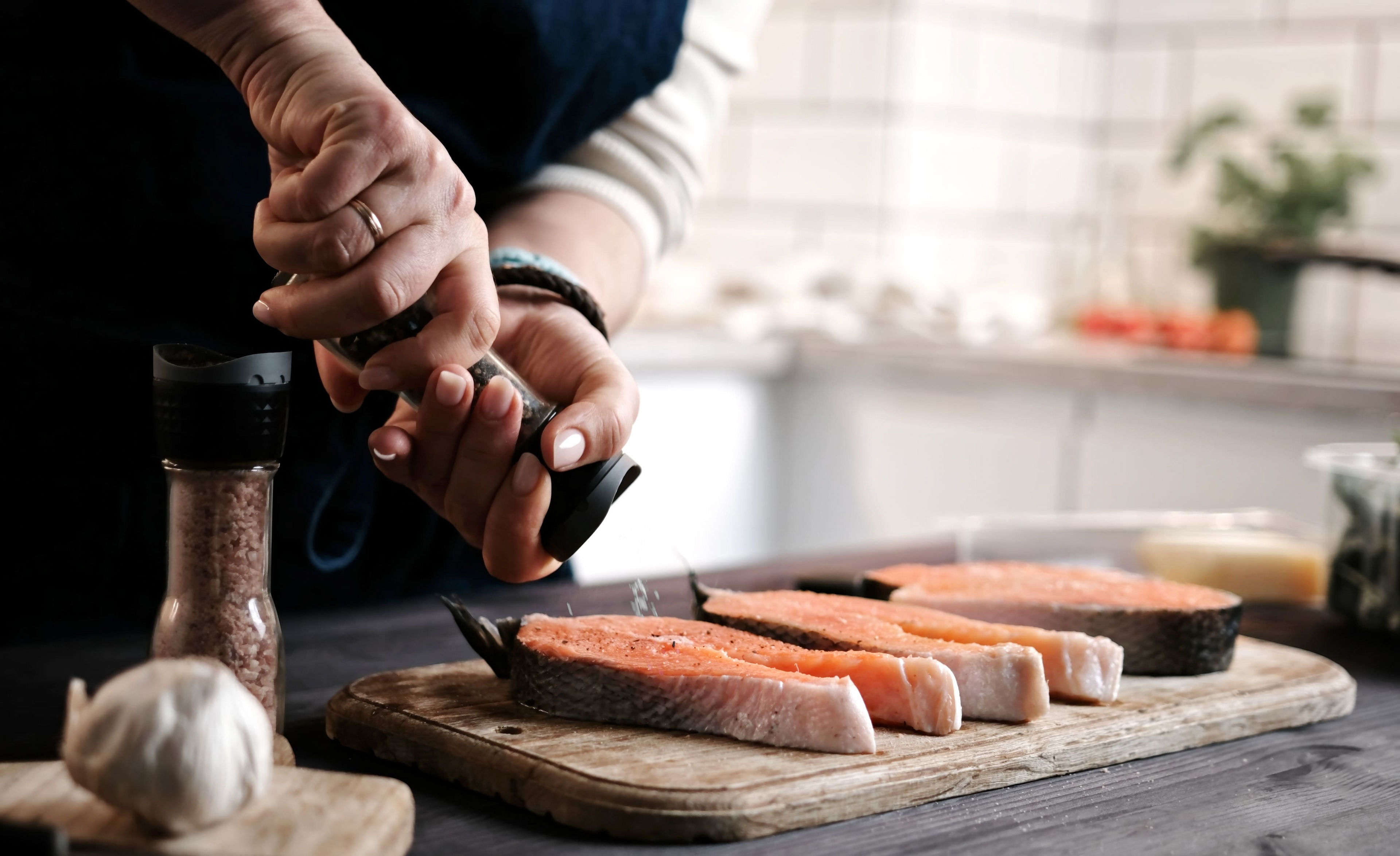
Be sure to choose fresh salmon. This is important—the fish must be chilled, not frozen. Yes, it will cost more, but the result is worth it.
Proportions per 1 kg of fillet:
Salt — 70 g
Sugar — 50 g
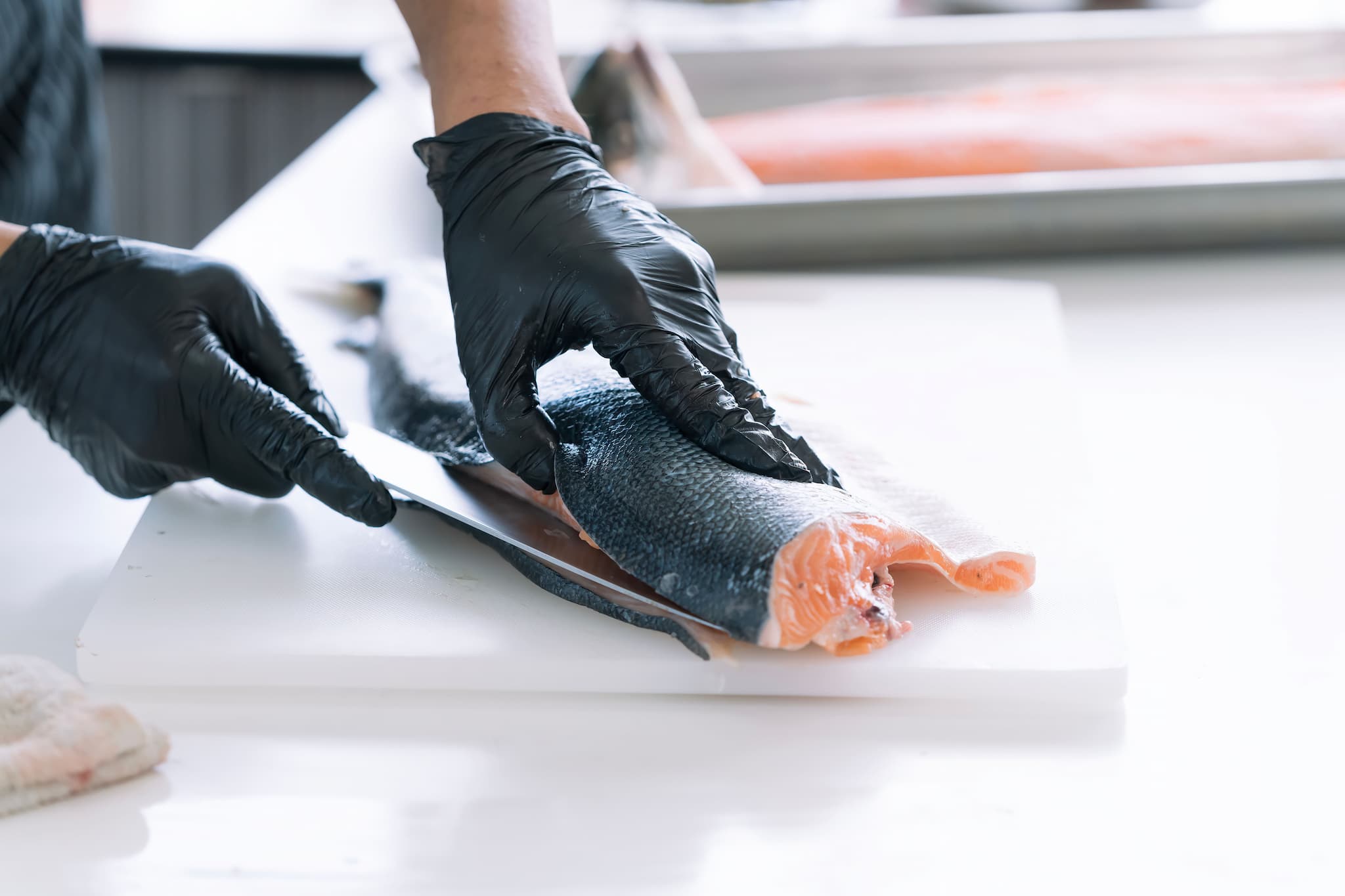
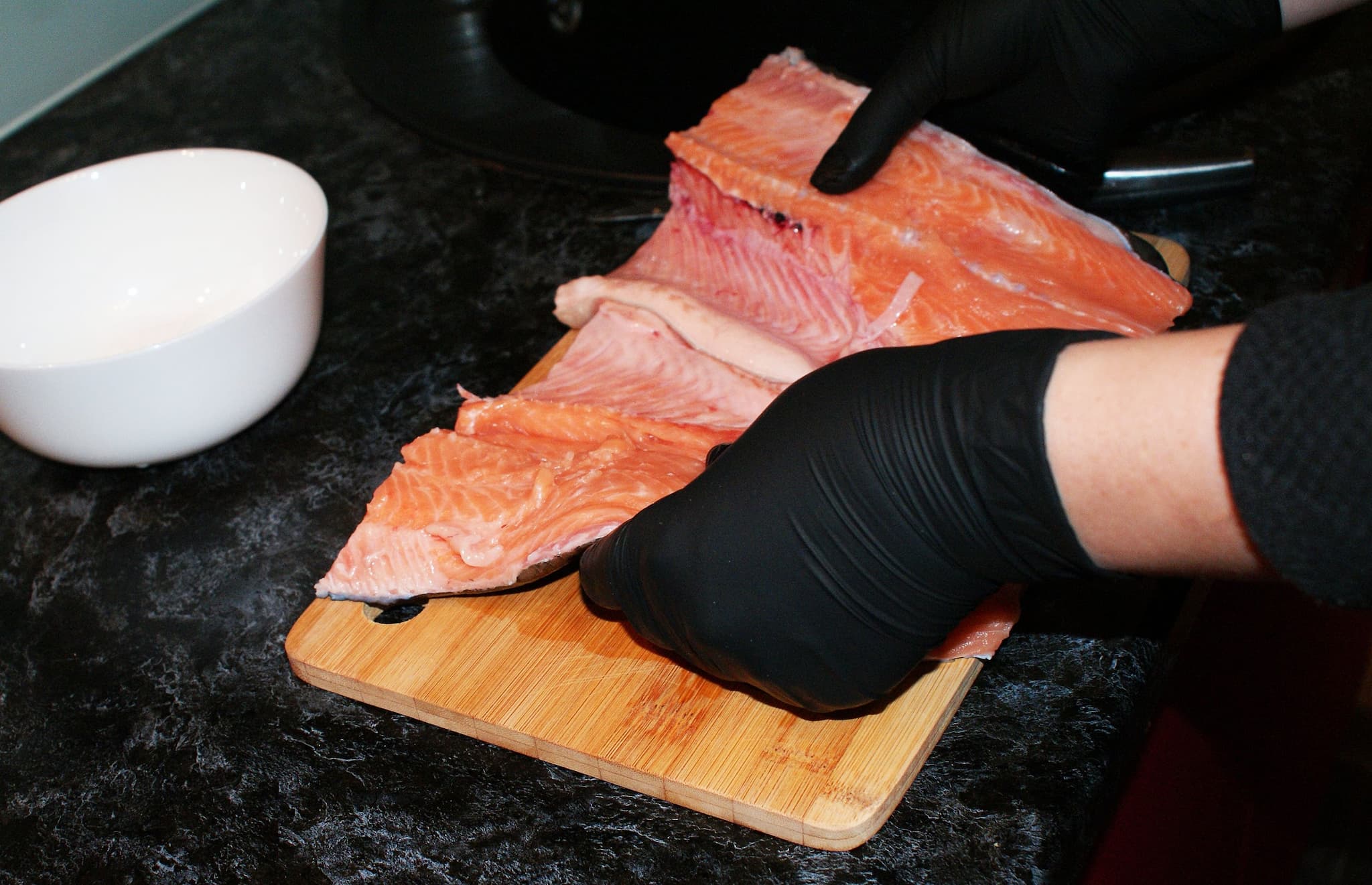
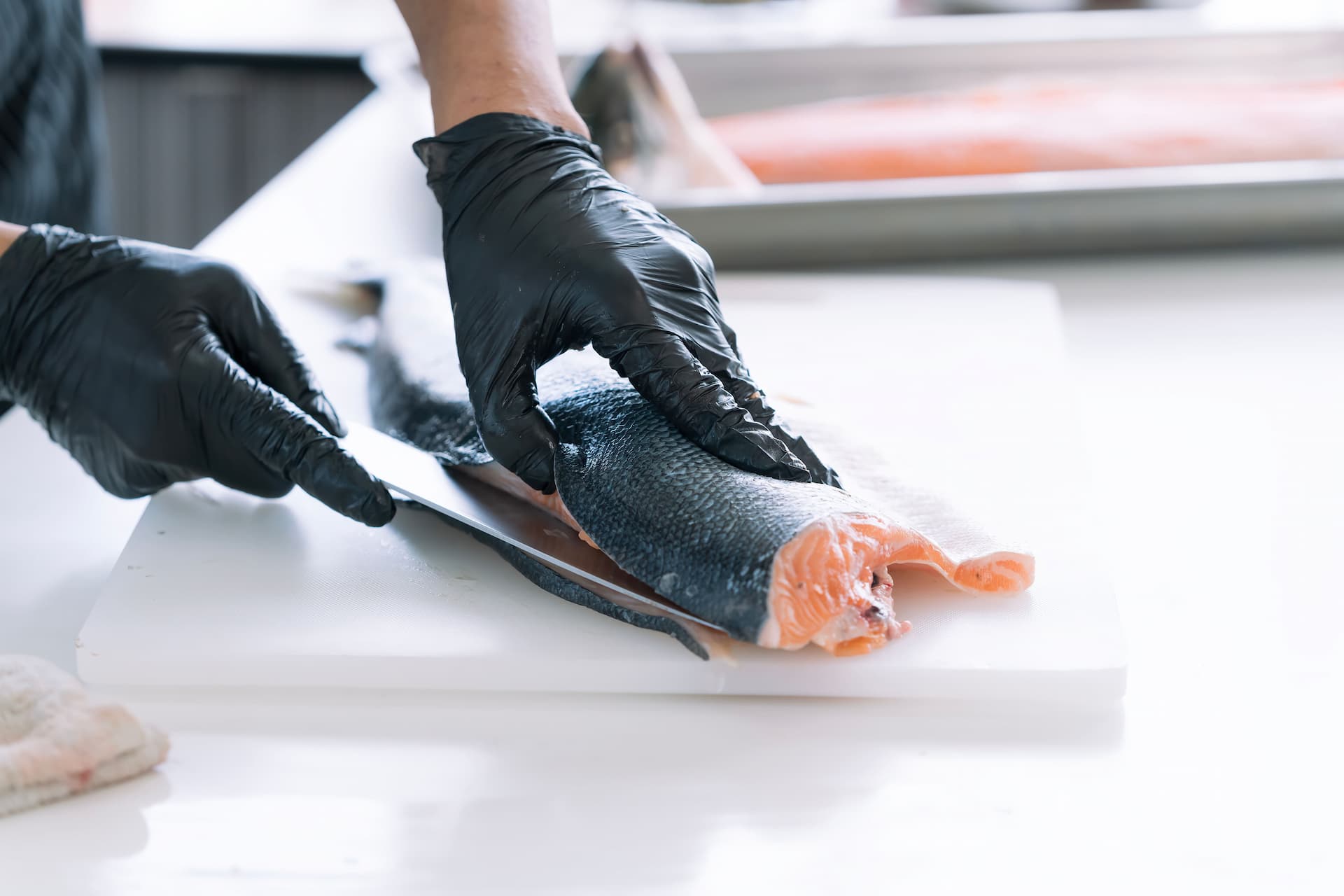
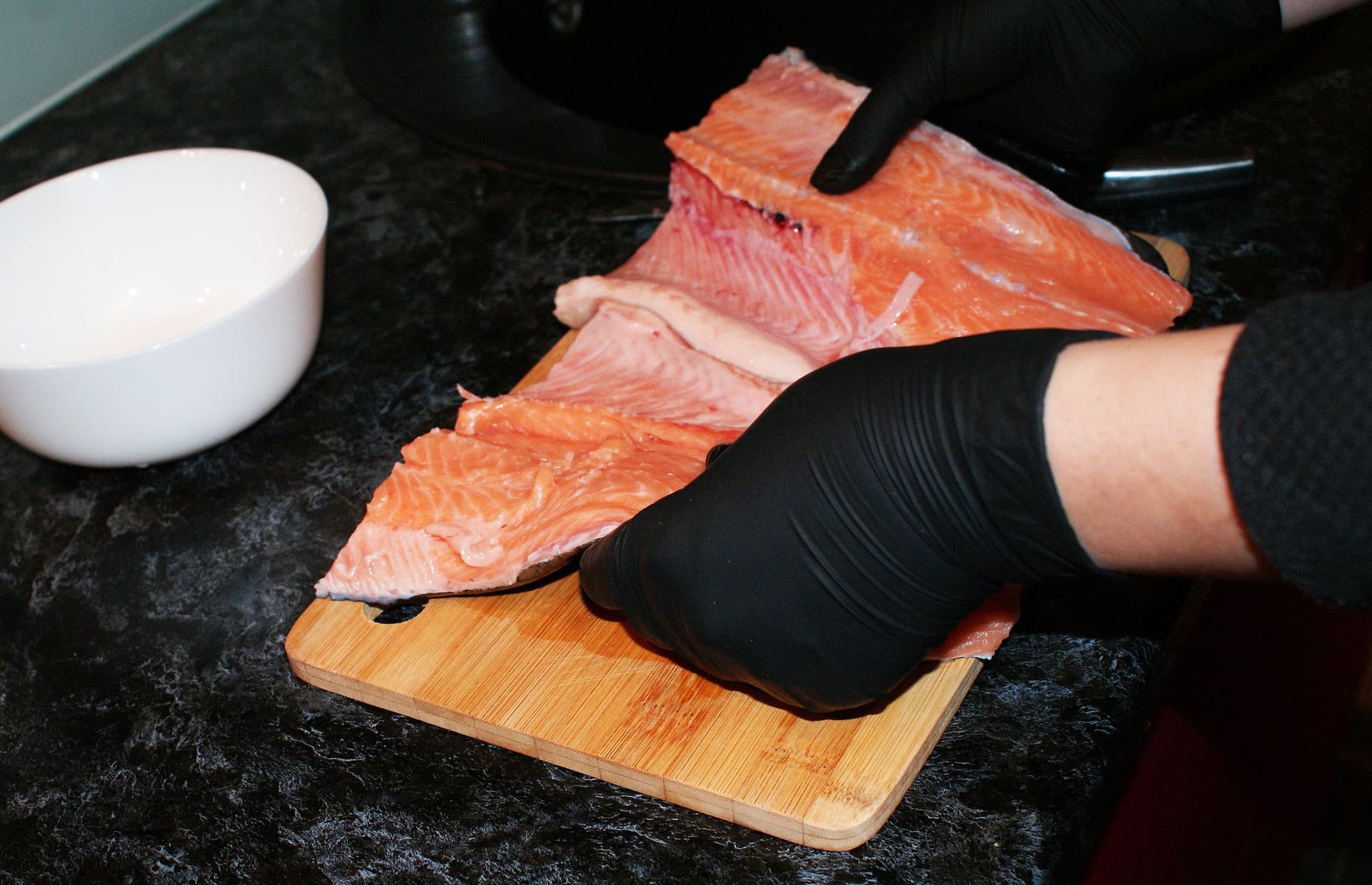
Preparation. Carefully remove the fillet from the salmon and thoroughly clean it, completely removing all bones.
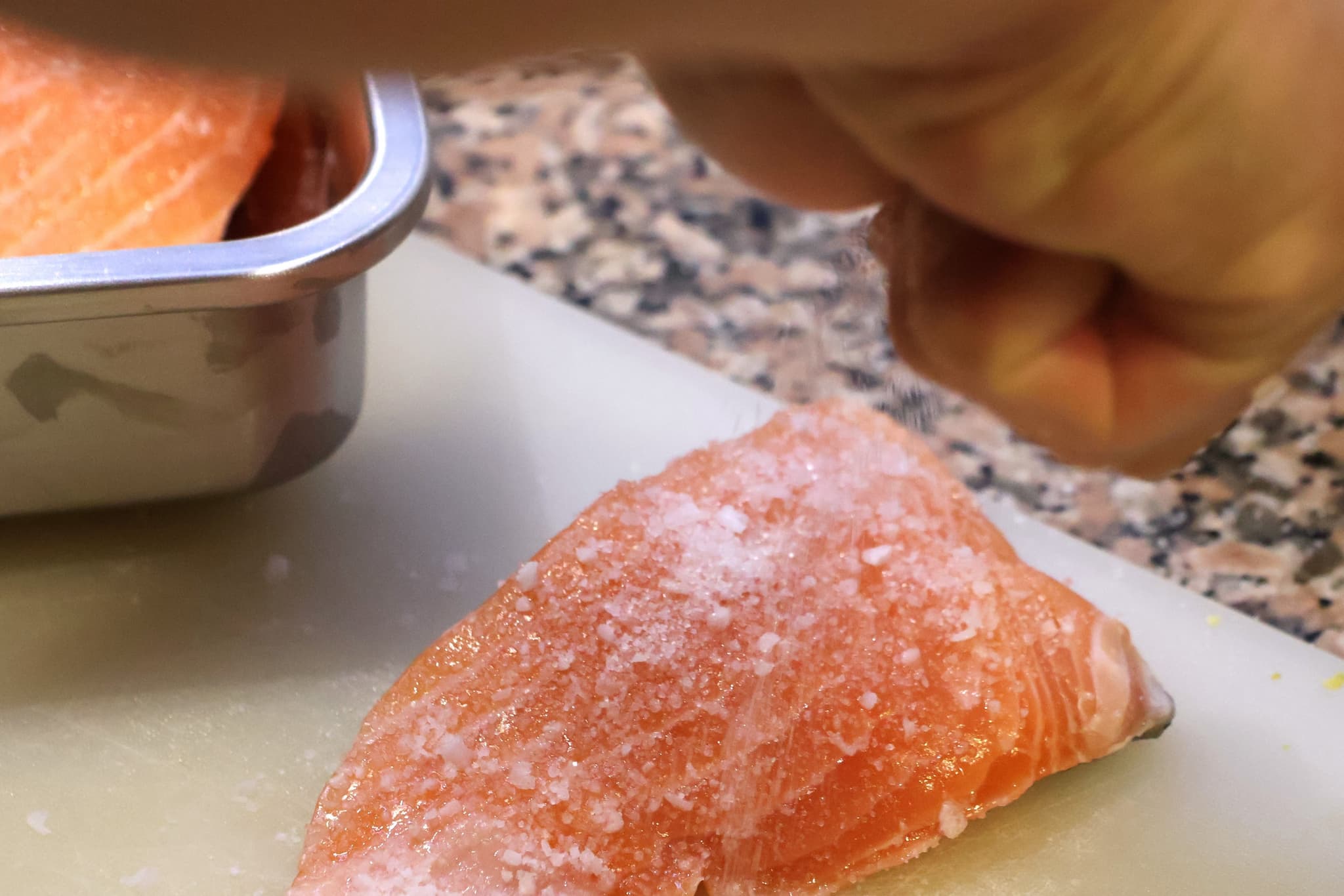
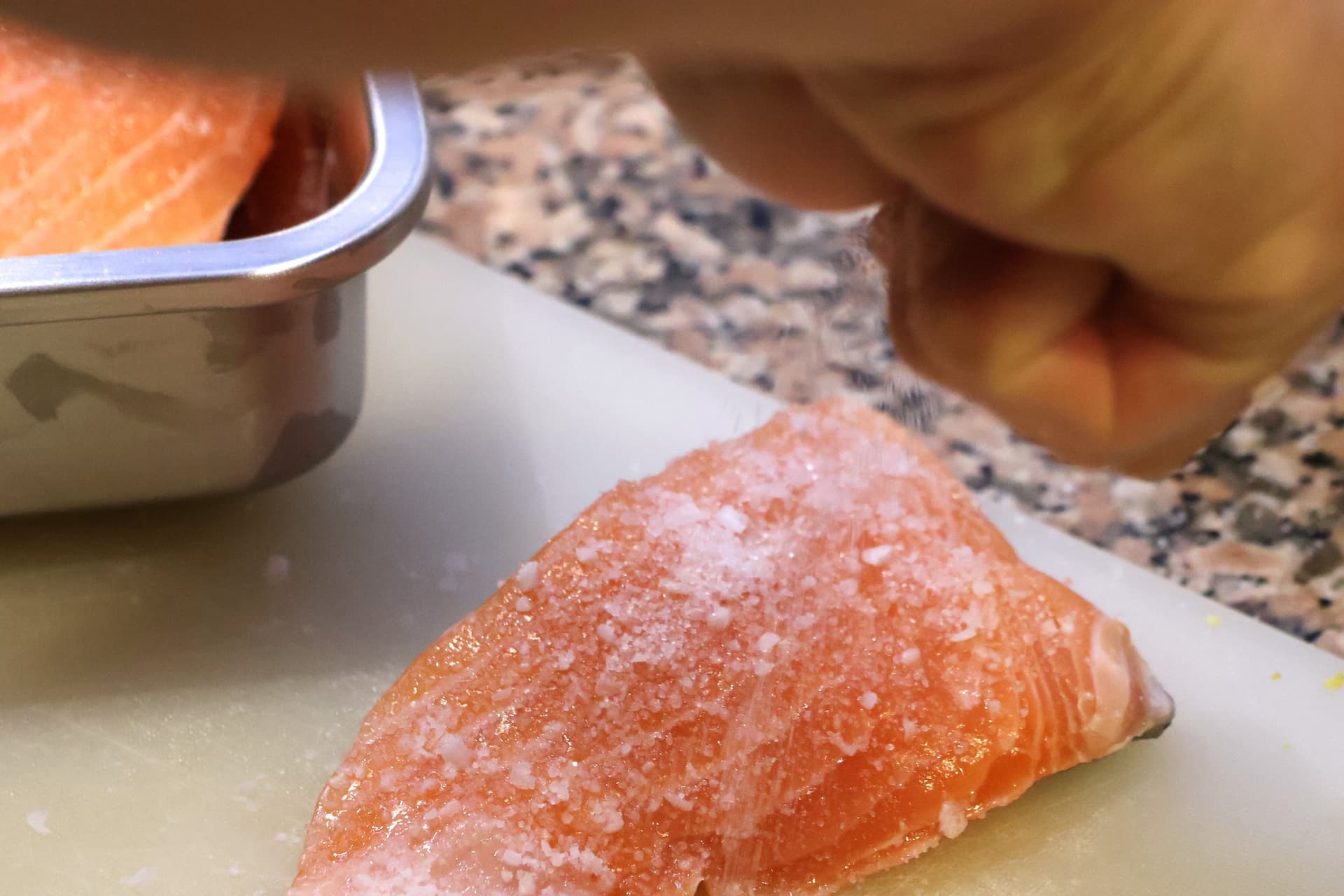
Salting. Mix the salt and sugar into a uniform mixture. Generously and evenly coat the fish fillet on all sides with the mixture.
First stage of curing. Place the fish in a food prep container or any dish with high sides—the salmon will release a lot of moisture during this process. Cover the container tightly with plastic wrap and refrigerate for 12 hours.
Second stage of curing. After 12 hours, remove the plastic wrap and completely drain the accumulated liquid. Flip the fish over to the other side, cover it with plastic wrap again, and return it to the refrigerator for another 12 hours.
Finishing. Once the curing process is complete, lightly rinse the fish under cold water to remove any remaining salt granules. Then thoroughly pat the fillets dry with paper towels, removing all excess moisture.
Proper Storage
Cut the prepared salmon into convenient, single-serving portions—sized so that one portion can be eaten in one sitting. Package the portions using a vacuum sealer. If you don’t have a vacuum sealer, sturdy zip-top bags work perfectly. Place the portions in the freezer.
The Golden Rule
Before serving, thaw the fish exclusively in the refrigerator.
Do not leave the bag on the kitchen counter at room temperature. Simply take out a portion in the evening, move it from the freezer to a shelf in the refrigerator, and by morning you’ll have perfectly thawed fish with the right texture, ready to be sliced.
Comment